How Mechanical Movements Are Assembled: Inside the Watchmaker's Workshop

A mechanical watch movement is often described as the heart of a timepiece. Hidden beneath the dial and case, it transforms stored energy into the steady rhythm that measures time with remarkable precision.
Although modern manufacturing has improved consistency, the assembly of a luxury mechanical movement still depends heavily on the knowledge and steady hands of experienced watchmakers. Hundreds of tiny components must work together perfectly, with tolerances measured in fractions of a millimetre.
Every wheel, spring, jewel, and screw has a specific purpose.
When assembled correctly, these individual parts become a living mechanism capable of operating reliably for decades while reflecting centuries of horological tradition.
Understanding this process offers collectors a deeper appreciation for the craftsmanship that cannot be seen while the watch is being worn.
Precision Begins Before Assembly
Before a movement reaches the workbench, every component undergoes careful inspection.
Gears, bridges, screws, springs, and jewels are examined to ensure they meet exact specifications. Even microscopic imperfections can influence long-term performance, making quality control an essential part of the manufacturing process.
Cleanliness is equally important.
Dust particles invisible to the naked eye can interfere with delicate mechanisms, so assembly takes place in carefully controlled environments using specialized tools designed for precision work.
This meticulous preparation allows the watchmaker to focus entirely on achieving perfect mechanical harmony.
Building the Movement One Component at a Time
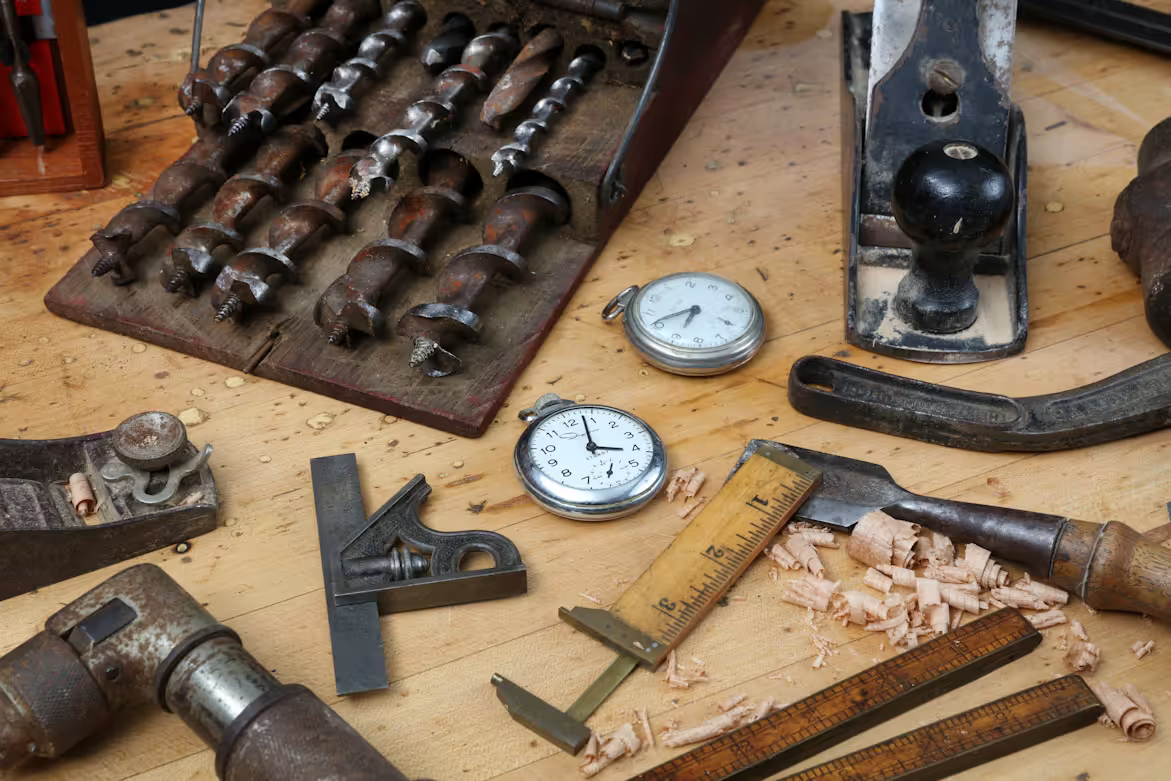
Assembly follows a carefully planned sequence.
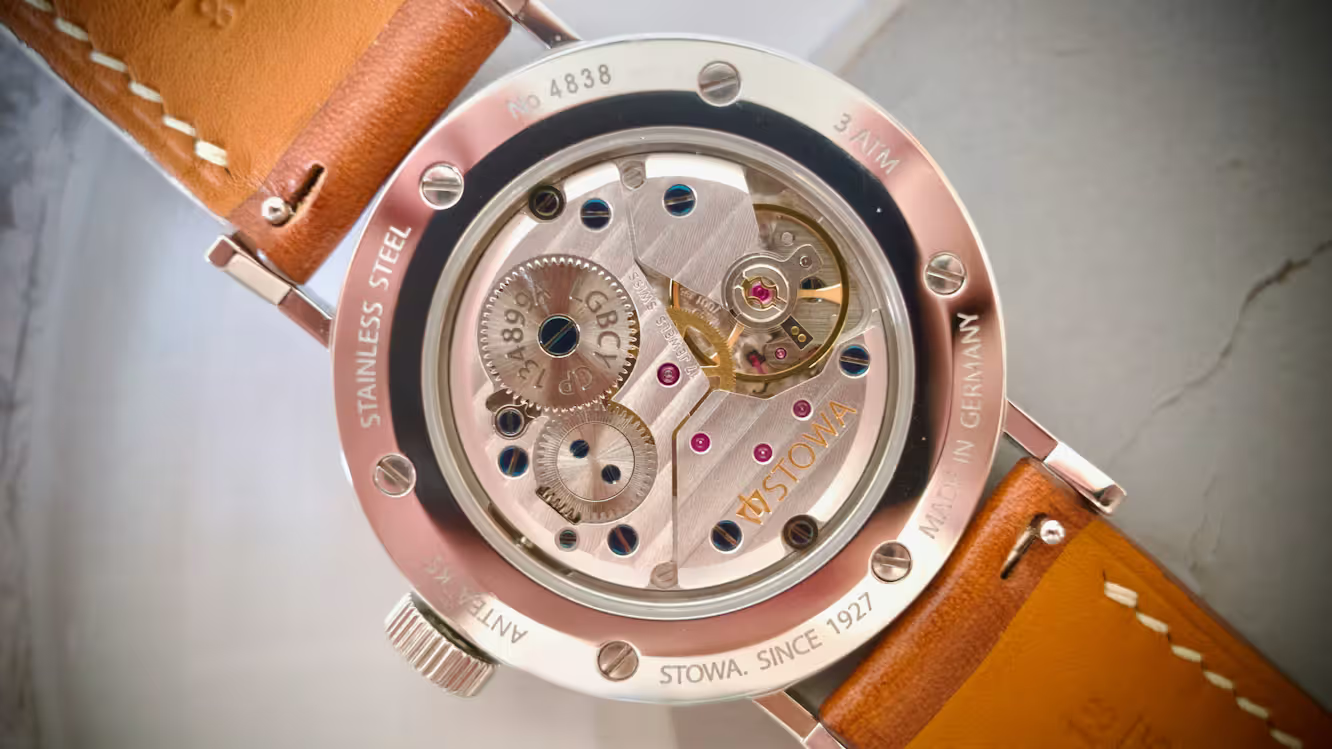
The main plate provides the foundation upon which gears, wheels, springs, and bridges are gradually installed. Each component must align precisely with the next before the mechanism can function correctly.
The process demands patience rather than speed.
Watchmakers frequently pause to inspect alignment, verify tolerances, and confirm that every moving part rotates smoothly before continuing.
A single adjustment may involve movements so small they are barely visible, yet these refinements contribute significantly to the overall accuracy and reliability of the finished movement.
Bringing the Mechanism to Life
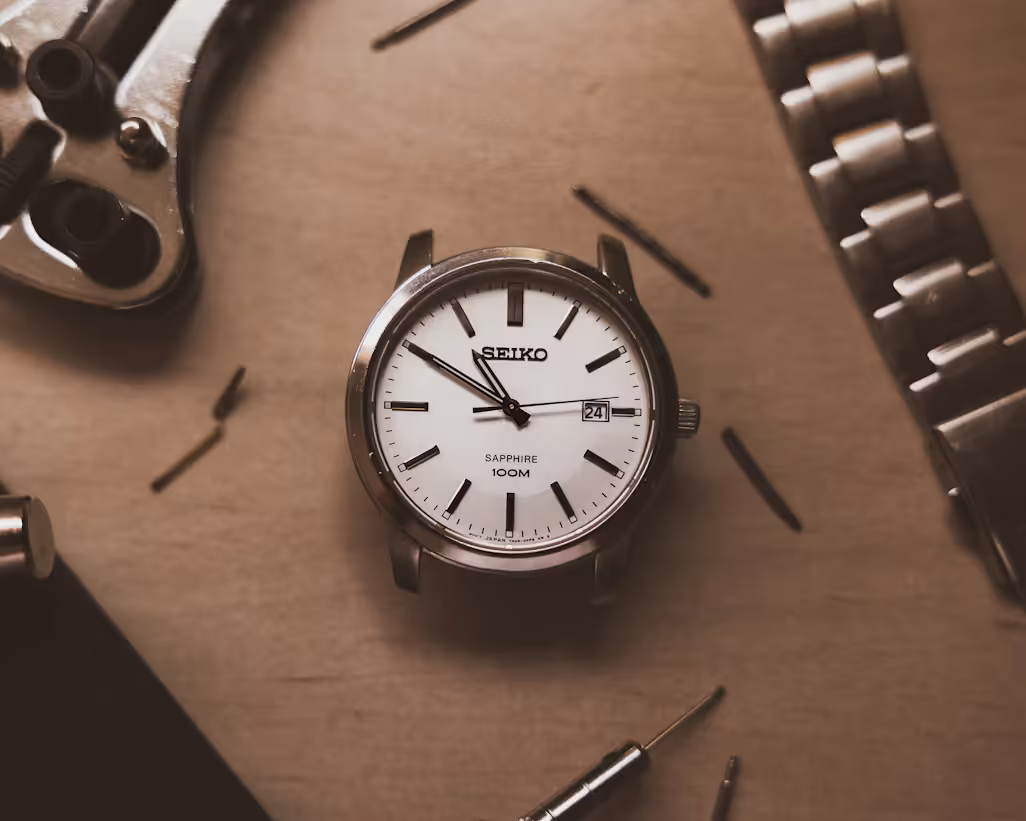
Once the principal components have been assembled, the movement begins to reveal its remarkable complexity.
The gear train transfers energy through carefully calculated ratios, while the escapement regulates its release in consistent intervals. Together with the balance wheel, these components create the familiar rhythmic motion that defines every mechanical watch.
Watching a completed movement operate for the first time is one of the most satisfying moments in the workshop.
It marks the transition from individual parts to a fully functioning mechanism built to measure time with precision and reliability.
Regulation, Adjustment, and Testing
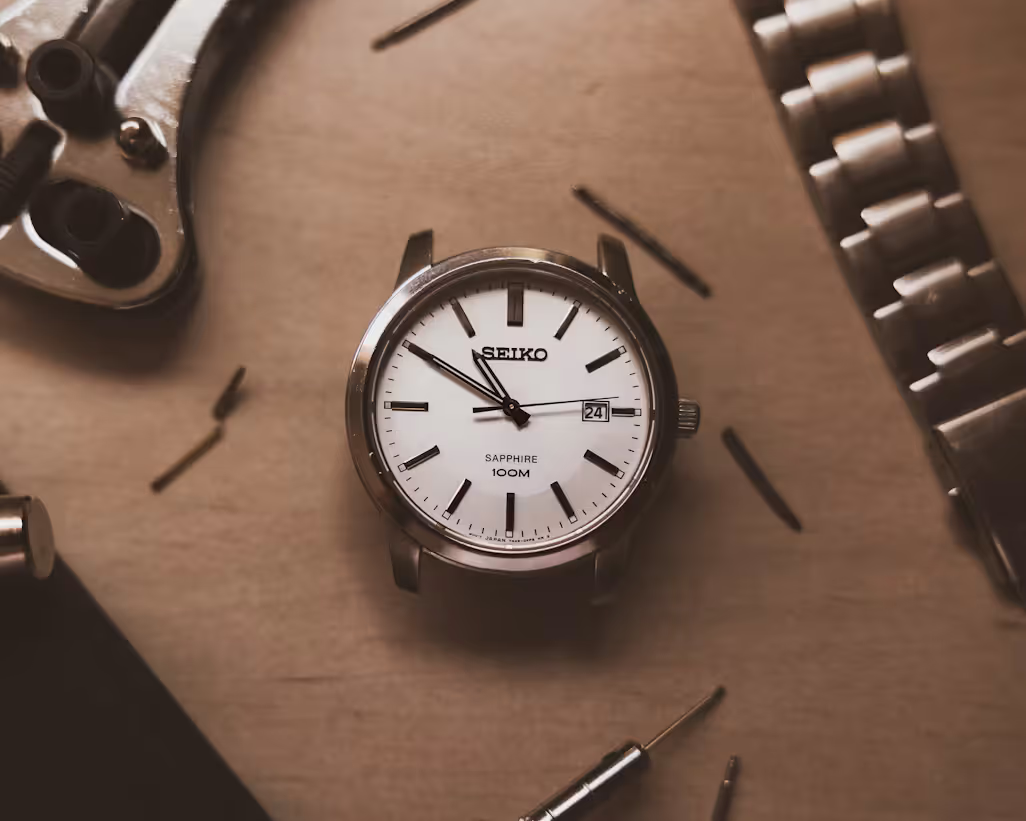
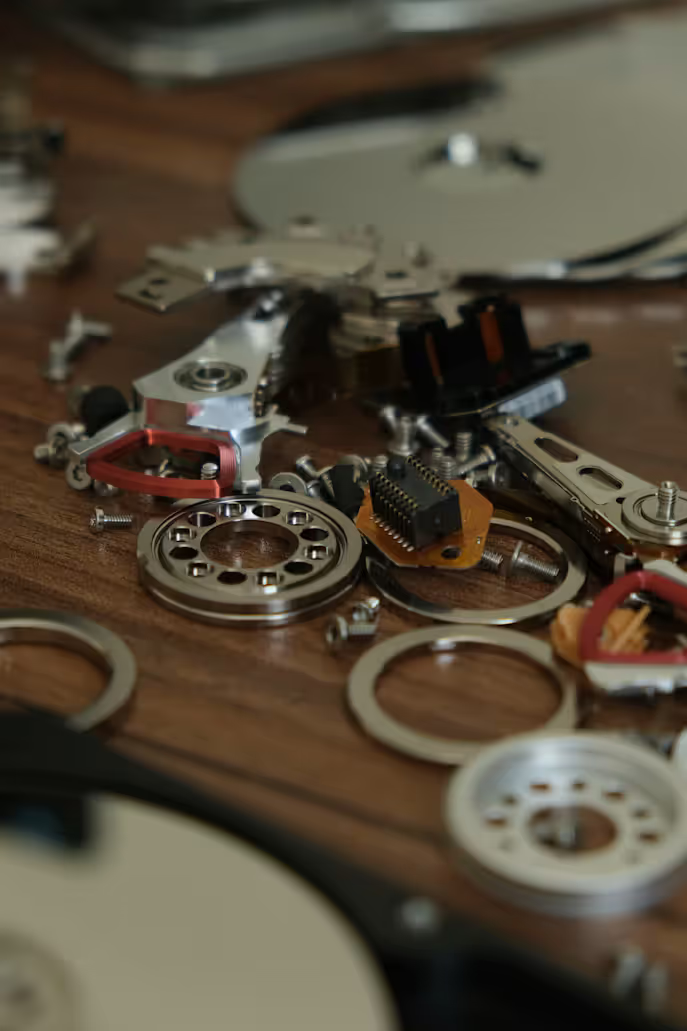
Completing the assembly of a mechanical movement is only part of the journey. Before a watch leaves the workshop, it undergoes careful regulation and testing to ensure that every component performs in harmony.
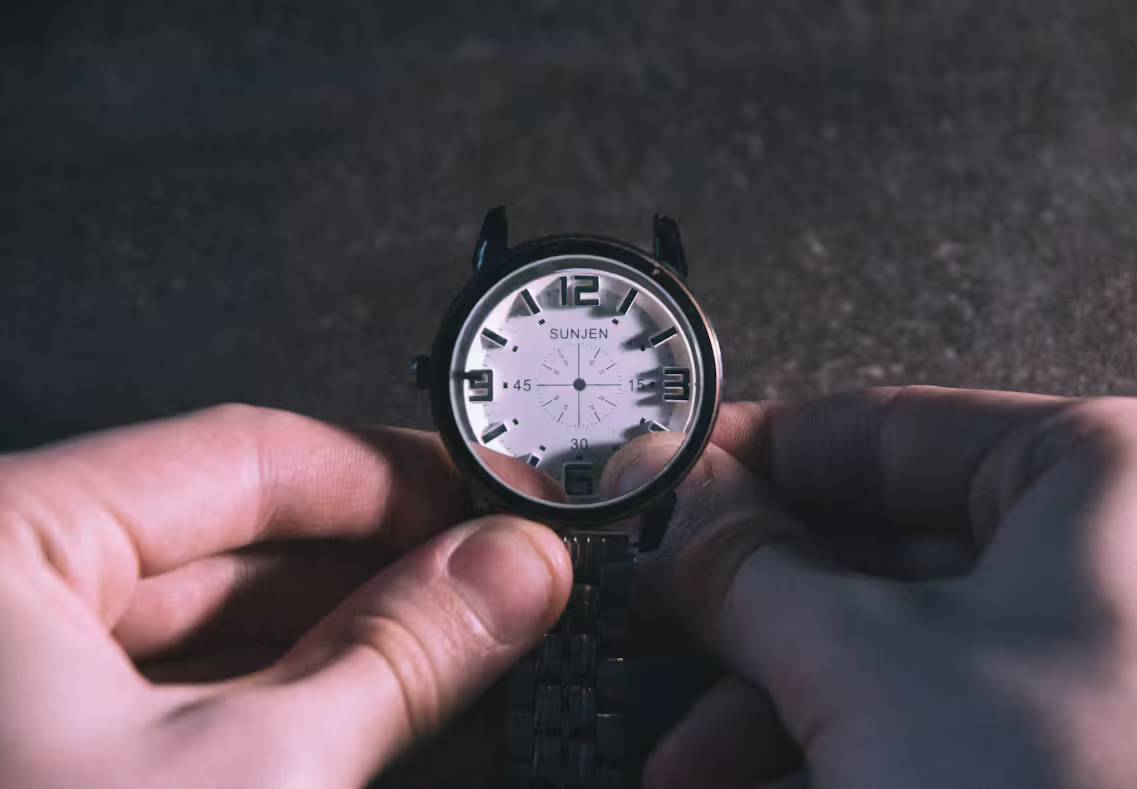
Watchmakers observe how the movement behaves in different positions, making fine adjustments to the balance assembly until the watch maintains consistent timekeeping. These refinements require patience, experience, and an intimate understanding of mechanical behaviour.
The process is highly iterative.
A small adjustment can influence the performance of the entire movement, so every modification is followed by further observation and measurement. Only when the watch demonstrates stable and reliable operation does it progress to the next stage.
This dedication to precision reflects one of the defining principles of fine horology: excellence is achieved through refinement rather than speed.
A Blend of Tradition and Modern Precision
While contemporary manufacturing has introduced remarkable levels of consistency, the expertise of skilled watchmakers remains irreplaceable.
Advanced machinery can produce components with extraordinary accuracy, yet assembling, regulating, and inspecting a mechanical movement still depends on trained professionals capable of recognising details that machines cannot fully evaluate.
This partnership between technology and craftsmanship allows modern luxury watches to achieve exceptional reliability while preserving centuries-old watchmaking traditions.
Collectors often admire this balance.
Every completed movement reflects not only engineering excellence but also the judgement and dedication of the artisan who assembled it.
Why Assembly Matters to Collectors
Many enthusiasts develop a deeper appreciation for a watch after learning how its movement is assembled.
Hidden beneath the case are hundreds of carefully finished components working together in perfect coordination. Every gear, spring, jewel, and bridge contributes to a mechanism that operates continuously through the simple energy stored in a wound mainspring.
Understanding this complexity transforms the ownership experience.
A mechanical watch becomes more than an instrument for telling time—it becomes a celebration of engineering, craftsmanship, and human ingenuity that continues to inspire collectors around the world.
"A mechanical movement is not simply assembled—it is patiently refined until every component performs in perfect harmony."
Final Thoughts
The assembly of a mechanical movement is one of the most demanding stages in luxury watchmaking. It requires exceptional precision, steady hands, and years of experience to transform hundreds of individual components into a reliable and beautifully engineered mechanism.
Every phase—from careful inspection and assembly to regulation and final testing—contributes to the character and performance of the finished watch. Although many of these details remain hidden beneath the dial, they define the quality that collectors value most.
Learning about this process offers a new perspective on mechanical watches. Their appeal extends beyond aesthetics, revealing a tradition of craftsmanship where patience, precision, and technical expertise come together to create timepieces designed to be admired for generations.

James Thornton
Watch Reviews Editor evaluating luxury timepieces through movement architecture, craftsmanship, design, and everyday wearability. James provides balanced insights that help enthusiasts and collectors appreciate exceptional watches.




Comments