The Enduring Legacy of Swiss Watchmaking: Why True Craftsmanship Never Goes Out of Style
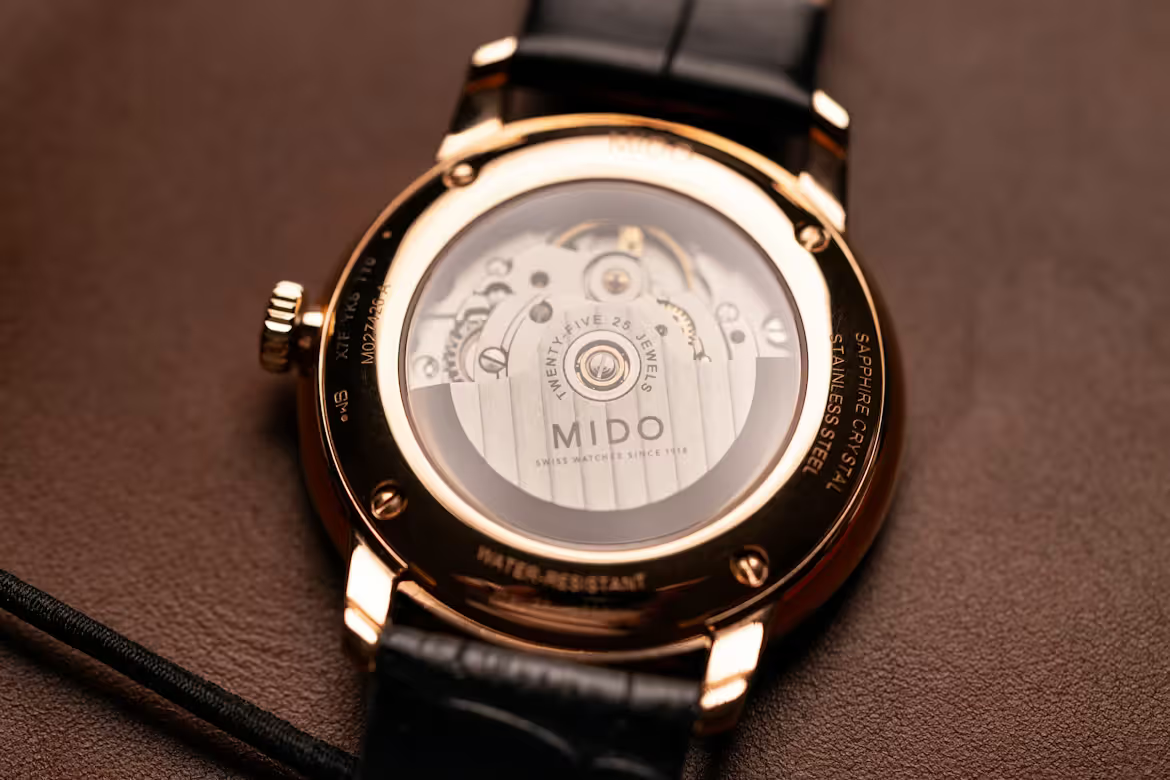
For more than two centuries, Swiss watchmaking has represented the highest standards of precision, craftsmanship, and innovation. While technology has transformed the way people measure time, mechanical watches continue to captivate collectors and enthusiasts because they offer something far greater than simple functionality—they embody tradition, artistry, and human ingenuity.
Every finely crafted timepiece reflects thousands of hours of engineering, finishing, and assembly. From meticulously decorated movements to carefully polished cases and handcrafted dials, Swiss watchmaking demonstrates that excellence is achieved through patience, expertise, and an unwavering commitment to quality.
A Heritage Built on Precision
The reputation of Swiss watchmaking was not established overnight. It evolved through generations of artisans who refined traditional techniques while continuously embracing innovation. Small workshops gradually became internationally respected maisons, earning recognition for producing reliable, beautifully crafted mechanical watches that set new standards for the industry.
Today, many of these historic manufacturers continue to preserve centuries-old methods alongside modern manufacturing technologies. This balance between heritage and innovation remains one of the defining characteristics of Swiss horology.
The Beauty of Mechanical Movements
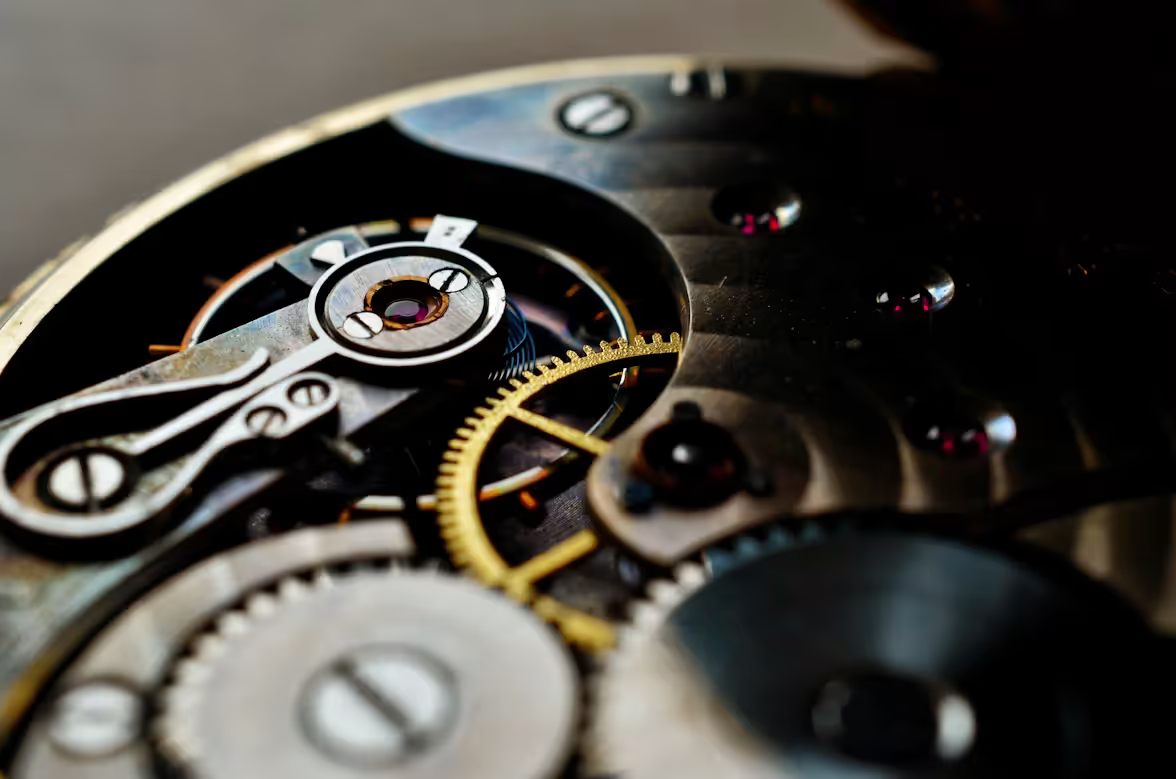
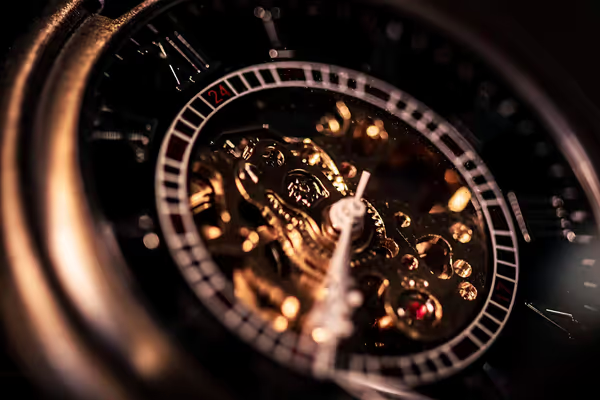
Unlike electronic devices, a mechanical watch is powered entirely by intricate gears, springs, wheels, and carefully engineered components working together in perfect harmony.
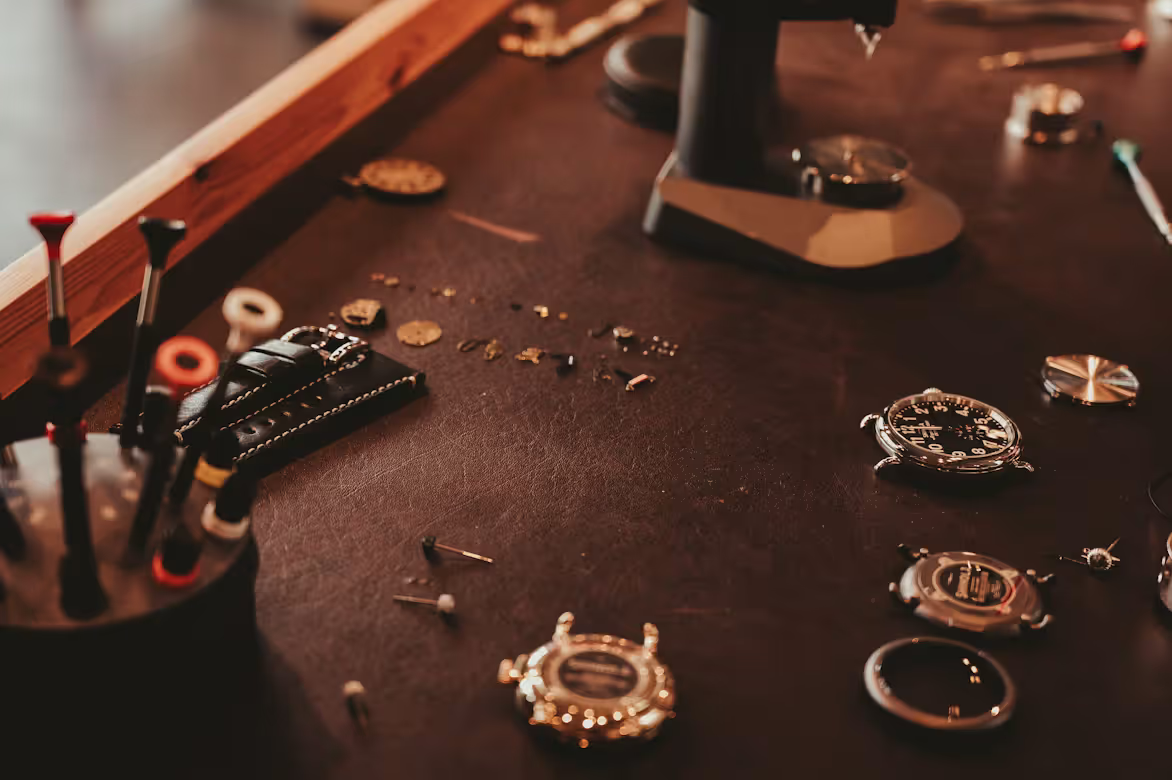
Hundreds of individual parts must interact with remarkable precision, often within a movement measuring only a few millimeters thick. Watchmakers dedicate years to mastering the skills required to assemble, regulate, and finish these miniature mechanical systems by hand.
For collectors, the movement represents the heart of the watch—a visible reminder of centuries of engineering excellence.
Craftsmanship Beyond Timekeeping
Luxury watches are appreciated not only for their technical capabilities but also for the extraordinary craftsmanship invested in every detail.
Cases are carefully finished using combinations of polished and brushed surfaces. Hands are shaped to maximize readability while complementing the overall design. Dials often require multiple production stages involving engraving, enameling, lacquer application, or hand finishing.
Even components that remain hidden beneath the case back frequently receive decorative finishes that only a watchmaker or collector may ever see.
Why Swiss Watches Continue to Inspire Collectors
Collectors are drawn to Swiss watches because they represent more than exceptional engineering. Each piece carries a story of innovation, heritage, and enduring design that transcends changing trends.
Whether acquired as a personal milestone, passed down through generations, or appreciated purely for mechanical beauty, a luxury watch often becomes a meaningful part of its owner's story. This emotional connection explains why carefully maintained timepieces frequently remain cherished for decades.
The enduring appeal of Swiss watchmaking lies in its ability to combine technical excellence with timeless aesthetics. Long after digital devices have been replaced, a finely crafted mechanical watch continues to function as both an instrument of precision and a work of wearable art.
Final Thoughts
Swiss watchmaking remains one of the finest examples of traditional craftsmanship thriving in a modern world. Through remarkable engineering, artistic finishing, and a steadfast commitment to quality, these timepieces continue to inspire collectors, enthusiasts, and future generations of artisans.
For anyone beginning their journey into horology, understanding the heritage behind Swiss watchmaking is the perfect introduction to a world where every detail matters and every movement tells a story.

Alexander Cross
Luxury Watches & Horology Editor specializing in Swiss watchmaking, mechanical movements, and exceptional craftsmanship. Alexander covers iconic timepieces, independent watchmakers, collecting culture, and the traditions that define modern horology.



Comments