The Art of Hand-Finishing: The Invisible Craft Behind Luxury Timepieces
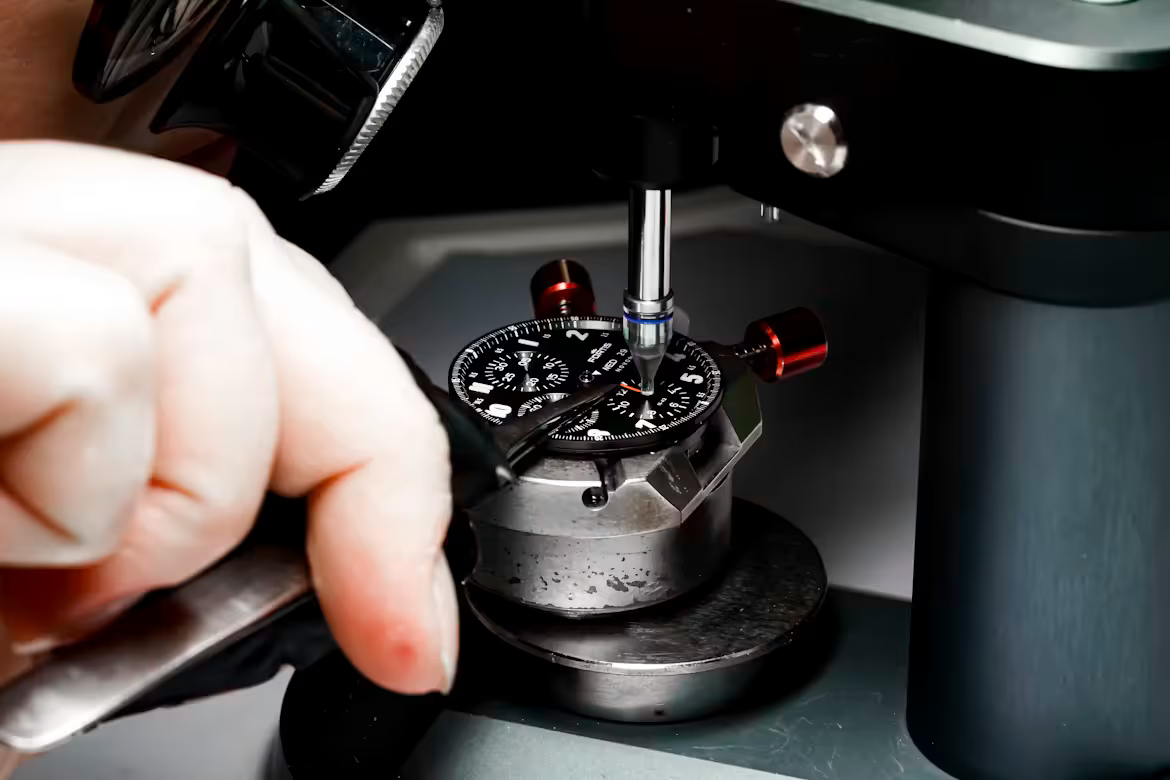
Luxury watches are often admired for their elegant cases, refined dials, and beautifully balanced proportions. Yet some of the most extraordinary craftsmanship remains hidden from view. Beneath the dial and behind the case back, countless hours are devoted to refining components that many owners may never see. This dedication to invisible perfection is known as hand-finishing, and it represents one of the defining characteristics of exceptional watchmaking.
Unlike industrial manufacturing, where efficiency often takes priority, hand-finishing is a deliberate process that values patience, precision, and artistry. Skilled artisans polish edges, decorate bridges, engrave surfaces, and refine individual components using traditional techniques that have been preserved for generations.
For collectors, these details are more than decoration. They represent the human touch behind every exceptional timepiece and demonstrate a commitment to excellence that extends far beyond functionality.
A beautifully finished movement is a reminder that true luxury is measured not only by what is immediately visible, but also by the care invested in every unseen detail.
Why Finishing Matters
At first glance, decorative finishing may appear purely aesthetic. After all, many movement components remain hidden beneath the dial or enclosed within the watch case. Yet finishing has always been an essential part of fine watchmaking.
Historically, carefully polished surfaces helped reduce corrosion while removing microscopic imperfections left during manufacturing. Over time, these practical techniques evolved into an art form that celebrated the skill of the watchmaker.
Today, luxury manufacturers continue to finish movements because they reflect pride in craftsmanship. Every polished bevel, engraved bridge, and brushed surface demonstrates that excellence should exist throughout the entire watch—not only where it can be seen.
Collectors often consider movement finishing one of the clearest indicators of a manufacturer's commitment to quality.
The Beauty of Anglage
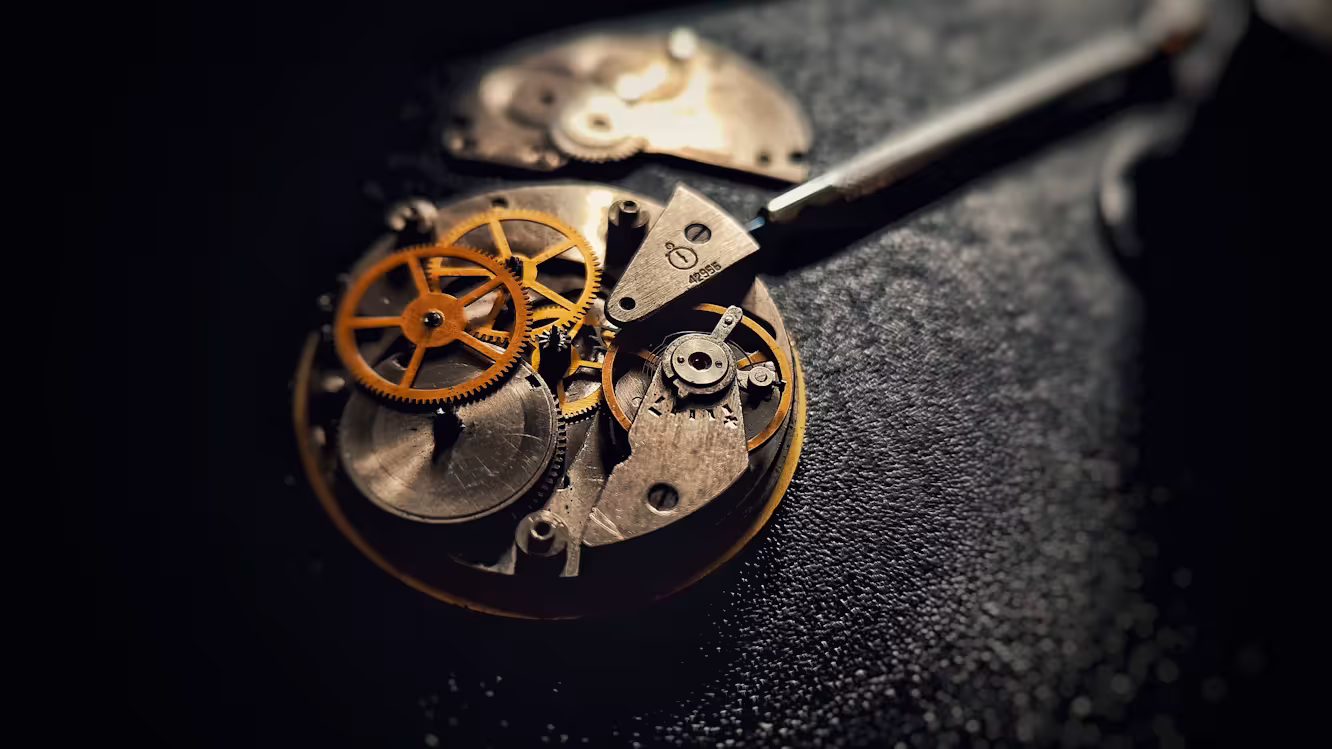
Among the most respected finishing techniques is anglage, also known as beveling.
During this process, the sharp edges of bridges and movement plates are carefully chamfered and polished by hand. The result is a smooth, reflective surface that catches the light beautifully while demonstrating remarkable craftsmanship.
Creating flawless anglage requires steady hands, exceptional patience, and years of experience. Even slight inconsistencies become immediately visible under magnification, making it one of the most demanding decorative techniques in traditional watchmaking.
Collectors often examine bevels closely because they reveal the level of care invested in every movement.
Geneva Stripes and Circular Graining
Another hallmark of luxury watchmaking is Geneva stripes, a series of parallel decorative patterns applied across bridges and rotors.
These elegant waves create subtle reflections that change as light moves across the movement, adding depth and visual character without compromising functionality.
Base plates frequently feature circular graining, a repeating pattern of overlapping circles applied one by one. Although many of these decorations remain hidden after assembly, they continue a tradition of craftsmanship that values perfection regardless of visibility.
Such details illustrate an enduring philosophy: if something is worth making, it is worth finishing beautifully.
A Tradition Passed Through Generations
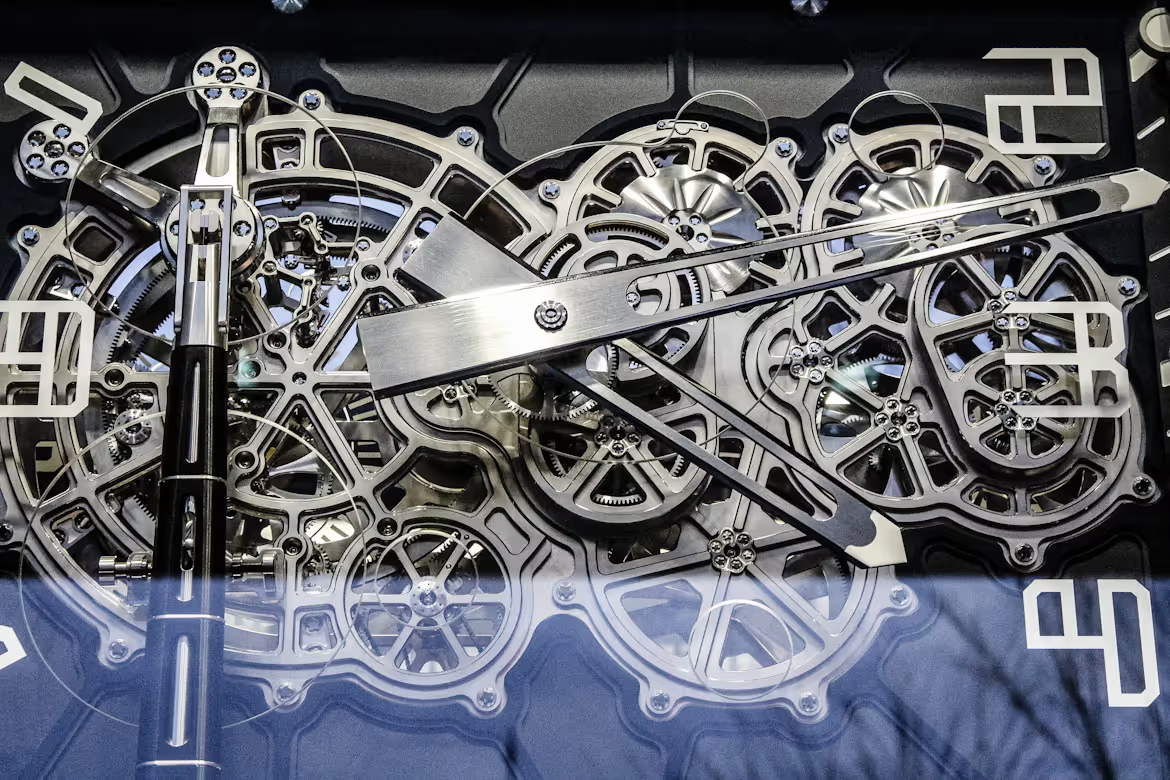
Hand-finishing cannot be mastered overnight. Many artisans spend years learning how different metals respond to pressure, polishing compounds, and specialized tools before developing the consistency required for luxury watchmaking.
These skills are often passed from experienced craftspeople to new generations through apprenticeship and daily practice.
Although modern machinery has improved manufacturing precision, many finishing techniques still rely entirely on human judgment. Machines can produce consistency, but they cannot easily replicate the subtle refinements created by experienced hands.
This balance between technology and tradition is one of the defining qualities of modern Swiss watchmaking.
Why Collectors Value Hand-Finished Movements
For many enthusiasts, the greatest satisfaction comes from discovering details that are not immediately obvious.
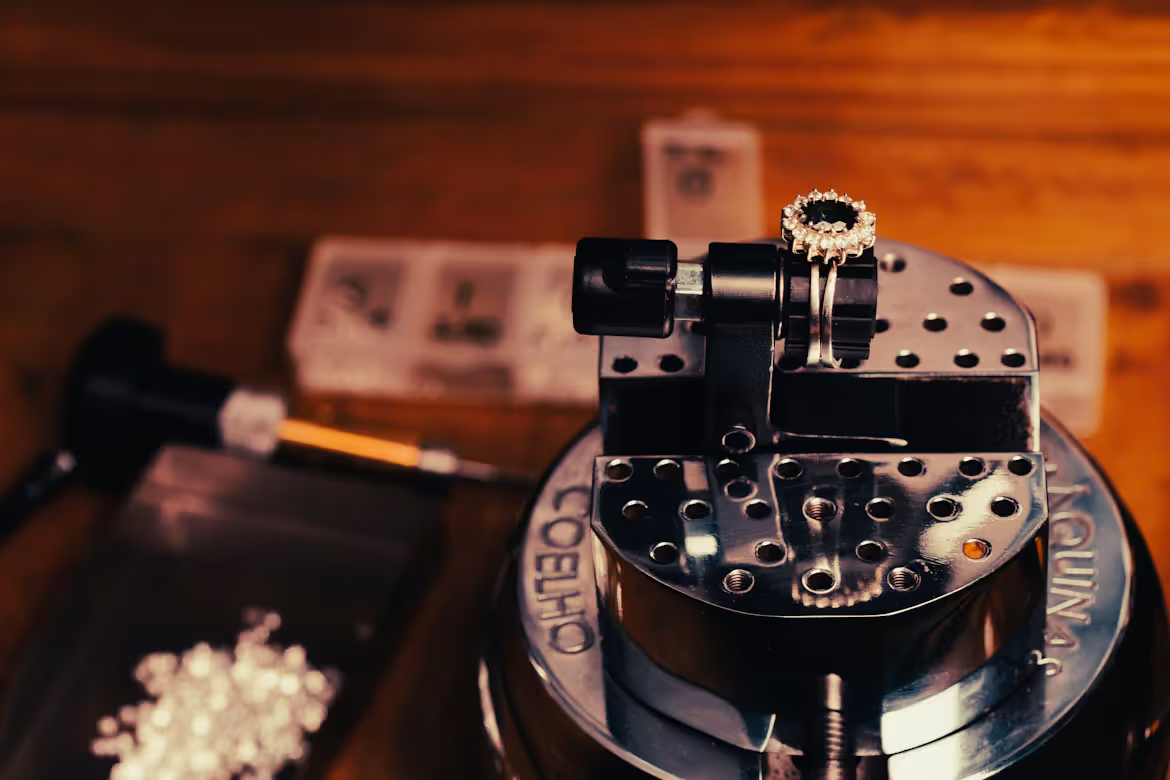
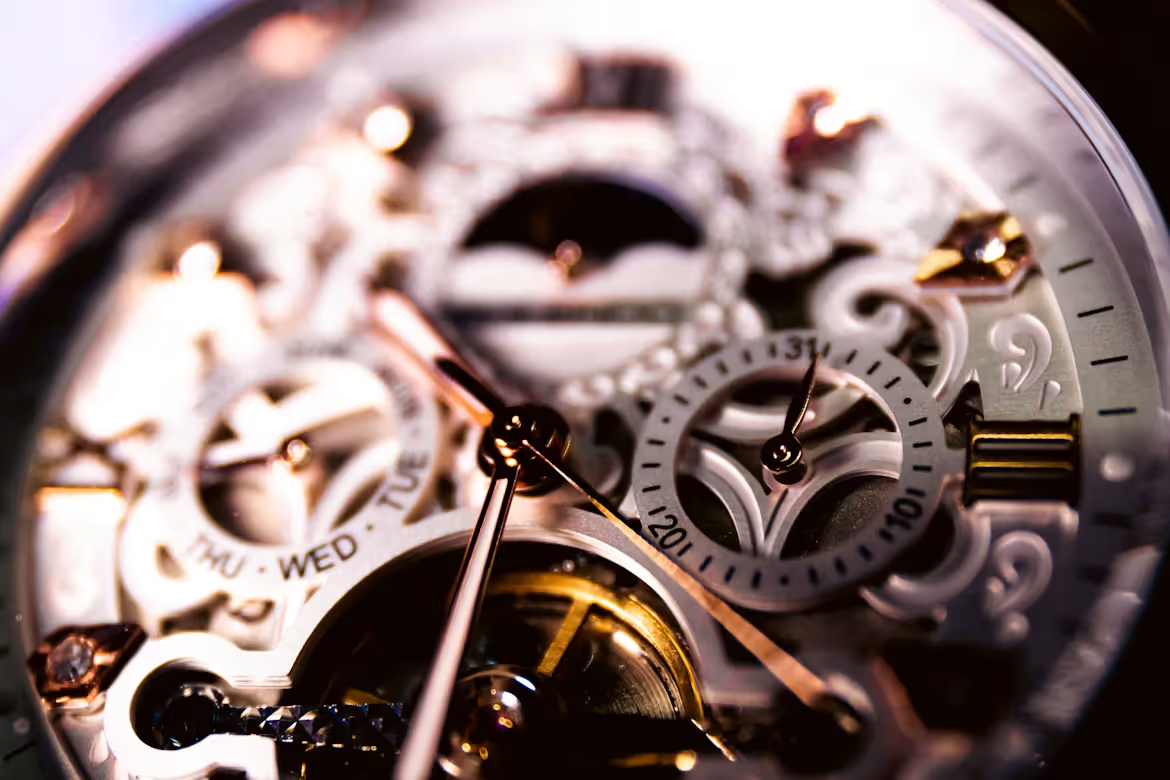
A transparent case back reveals polished screw heads, beveled edges, engraved rotors, and carefully decorated bridges—features that exist because skilled artisans chose to pursue perfection rather than convenience.
These finishing techniques rarely improve timekeeping on their own. Instead, they demonstrate respect for craftsmanship and an unwavering commitment to quality.
Collectors recognize this dedication instantly. A beautifully finished movement communicates something words cannot: the watch was created by people who believe every detail matters.
As appreciation for horology grows, many collectors find themselves spending just as much time studying a movement as admiring the dial itself.
"The finest movements are not simply assembled—they are patiently refined until craftsmanship becomes art."
Final Thoughts
Hand-finishing represents one of the purest expressions of traditional watchmaking. Long after precision machining has shaped every component, skilled artisans continue refining surfaces by hand, transforming mechanical parts into objects worthy of admiration.
This dedication may never be fully appreciated during everyday wear, yet it remains one of the reasons luxury watches continue to command such respect among collectors. Every polished edge, engraved bridge, and carefully finished screw reflects countless hours of patient craftsmanship carried forward through generations.
In a world increasingly shaped by automation, hand-finishing reminds us that the greatest luxury often lies in the time, skill, and human care invested in creating something truly exceptional.

Alexander Cross
Luxury Watches & Horology Editor specializing in Swiss watchmaking, mechanical movements, and exceptional craftsmanship. Alexander covers iconic timepieces, independent watchmakers, collecting culture, and the traditions that define modern horology.




Comments