Caring for Mechanical Watches: Preserving Precision for Generations
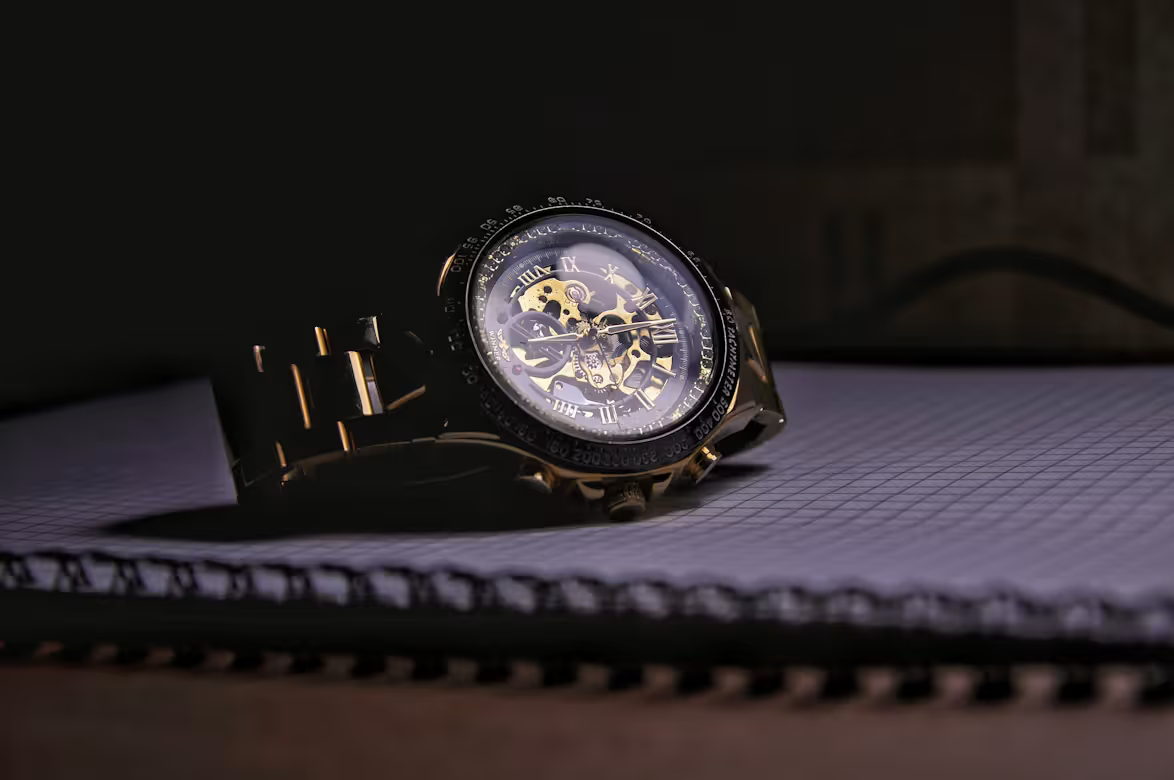
A finely crafted mechanical watch is built to accompany its owner for decades. Unlike many modern devices designed for short life cycles, a mechanical movement is engineered with longevity in mind. When properly maintained, it can continue measuring time with remarkable precision while becoming more meaningful through the years.
For many collectors, caring for a watch becomes part of the ownership experience itself. Small routines—cleaning the case after wearing it, storing it carefully, or winding it each morning—create a closer connection between owner and timepiece. These simple habits preserve not only performance but also the craftsmanship invested within every component.
Mechanical watches reward attention rather than constant intervention. They do not require complicated maintenance every week, yet they benefit enormously from thoughtful handling and periodic professional care.
Understanding these fundamentals allows collectors to enjoy their watches with confidence while ensuring they remain ready to accompany future generations.
Daily Habits That Make a Difference
Long-term preservation begins with everyday habits.
After wearing a watch throughout the day, gently wiping the case and bracelet with a clean microfiber cloth removes fingerprints, dust, and moisture before they accumulate. This simple practice helps preserve polished surfaces while reducing the buildup of contaminants around the crown and bracelet links.
It is equally important to protect the watch from unnecessary impacts. Mechanical movements contain precisely adjusted components that perform best when treated with care. Although many luxury watches are designed for everyday durability, avoiding unnecessary shocks contributes to long-term reliability.
Owners should also become familiar with their watch's water-resistance rating. A watch suitable for swimming may not necessarily be appropriate for diving, while dress watches with minimal water resistance should be protected from unnecessary exposure to moisture.
Small habits practiced consistently often have the greatest influence on a watch's long-term condition.
Cleaning Without Causing Damage
Luxury watches require only gentle cleaning to maintain their appearance.
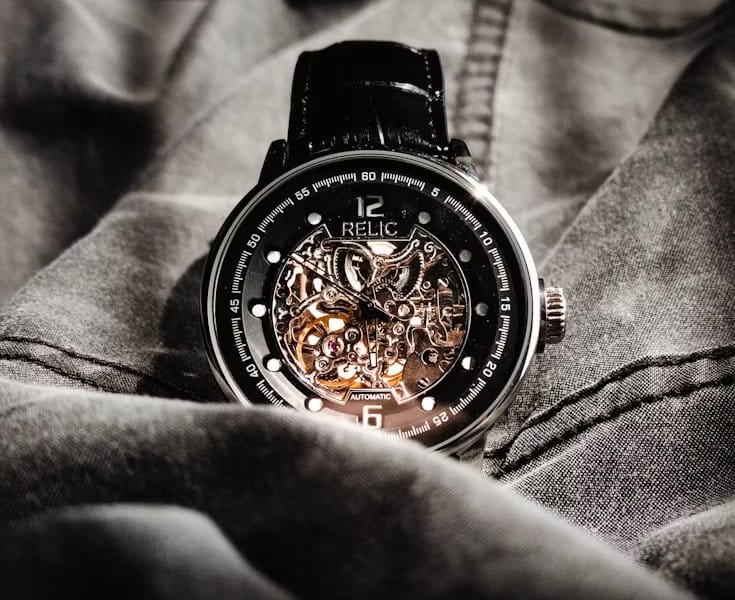
For stainless steel bracelets and water-resistant cases, a soft microfiber cloth is usually sufficient for routine care. When additional cleaning is necessary, a slightly damp cloth can help remove accumulated residue without affecting the finish.
Collectors should avoid abrasive materials, household cleaning products, or harsh chemicals that may damage polished surfaces, protective coatings, or leather straps.
Leather deserves particular attention.
Natural leather gradually develops character through regular wear, but excessive moisture and prolonged exposure to direct sunlight can shorten its lifespan. Allowing leather straps to rest between periods of use helps preserve both comfort and appearance.
Careful cleaning should always respect the materials used rather than attempting to restore a watch to an artificial "like new" condition.
Proper Storage Protects the Movement
When not being worn, mechanical watches deserve a safe and stable environment.
A dedicated watch box lined with soft materials helps protect the case from scratches while preventing unnecessary contact with dust and humidity. Collectors owning multiple watches often rotate them regularly, allowing each piece to receive attention while reducing unnecessary wear.
Storage conditions also matter.
Avoid leaving watches in areas exposed to excessive heat, sudden temperature changes, or strong magnetic fields created by electronic devices and speakers. Stable conditions contribute to consistent performance and help preserve lubricants within the movement.
Thoughtful storage ensures that every watch remains ready for its next occasion rather than spending unnecessary time exposed to avoidable risks.
Professional Servicing: A Long-Term Investment
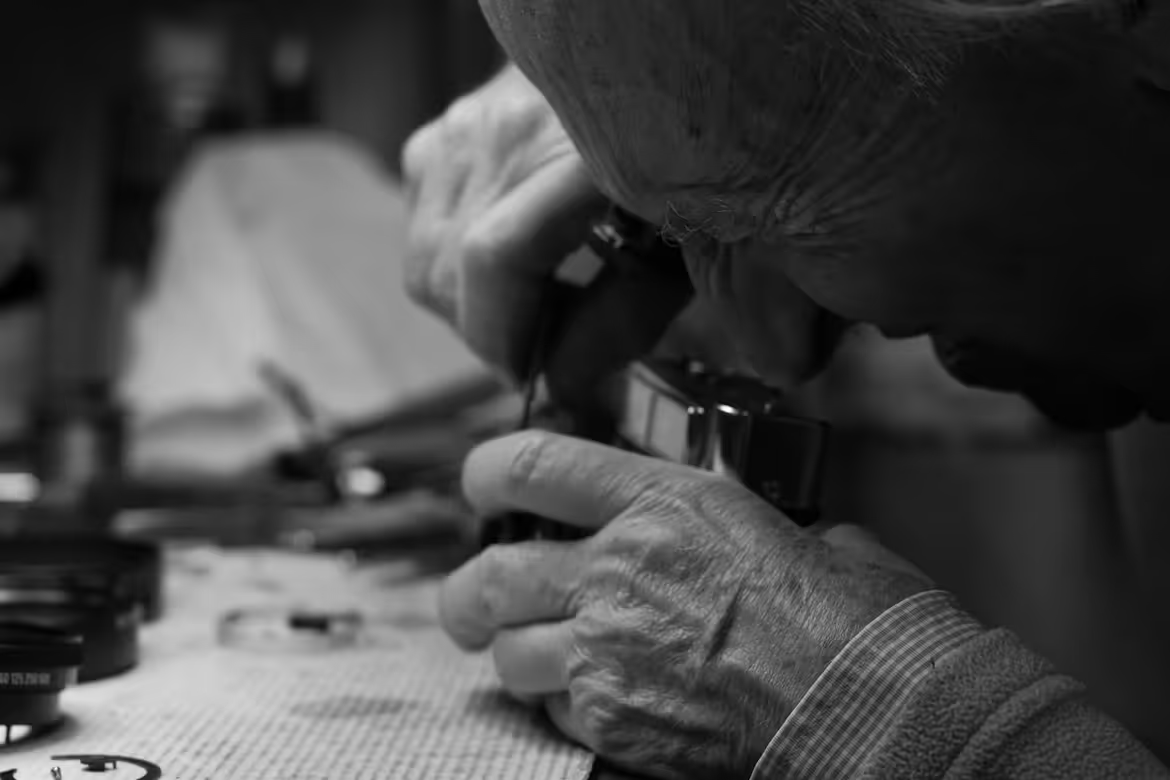
Even the finest mechanical movement benefits from periodic professional servicing. Hundreds of precisely engineered components work together continuously, and over time, lubricants naturally age while tiny parts experience gradual wear.
Routine servicing allows trained watchmakers to inspect the movement, replace worn seals, refresh lubricants, regulate accuracy, and ensure that every component continues to operate as intended.
Collectors should always follow the service recommendations provided by the manufacturer, while also considering how frequently the watch is worn. A regularly worn mechanical watch may require attention sooner than one reserved for occasional use.
Professional servicing should never be viewed as a repair after something has gone wrong. Instead, it is preventative care that helps preserve both performance and longevity.
Just as a classic automobile benefits from scheduled maintenance, a luxury mechanical watch rewards consistent professional attention.
Protecting Your Watch During Travel
Travel introduces conditions that differ from everyday wear. Frequent movement, changing climates, and limited storage can all affect how a watch is cared for away from home.
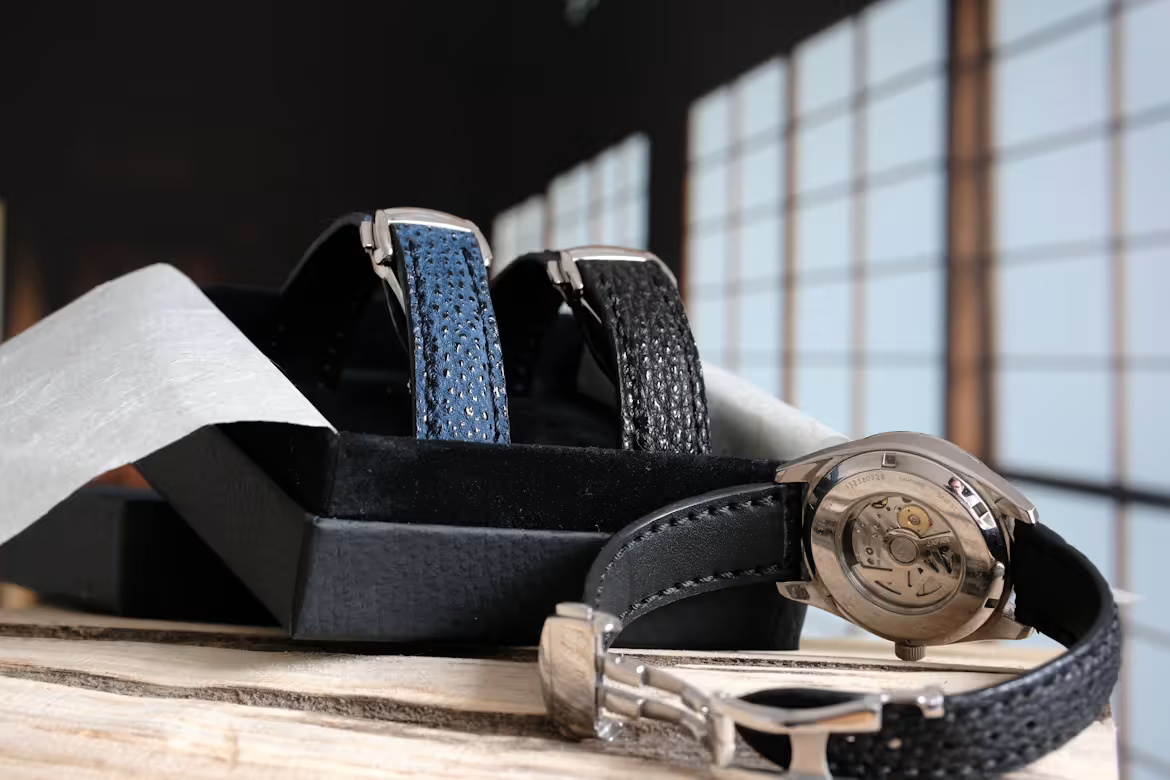
A dedicated travel case provides excellent protection by preventing unnecessary contact with other objects inside luggage. Soft interiors and individual compartments help reduce the risk of scratches while keeping the watch secure during transportation.
Collectors travelling with multiple watches often select versatile pieces that suit different occasions rather than carrying an entire collection.
Simple precautions, such as avoiding prolonged exposure to direct sunlight inside vehicles or leaving a watch in extremely hot environments, contribute to long-term preservation.
Thoughtful travel habits allow a watch to accompany new experiences while remaining protected throughout the journey.
Why Maintenance Reflects Respect for Craftsmanship
Mechanical watches are unique because they continue functioning through the coordinated movement of hundreds of carefully finished components.
Looking after a watch is therefore more than preserving its appearance.
It represents appreciation for the remarkable craftsmanship invested by designers, engineers, finishers, and watchmakers who created it.
Collectors frequently describe maintenance as part of the ownership experience itself. Winding the movement, cleaning the case, and arranging watches carefully within a collection create moments of interaction that strengthen the connection between owner and timepiece.
These routines remind us that luxury is not defined solely by acquisition, but also by responsible stewardship.
A beautifully maintained watch tells two stories: the craftsmanship of its maker and the care of its owner.
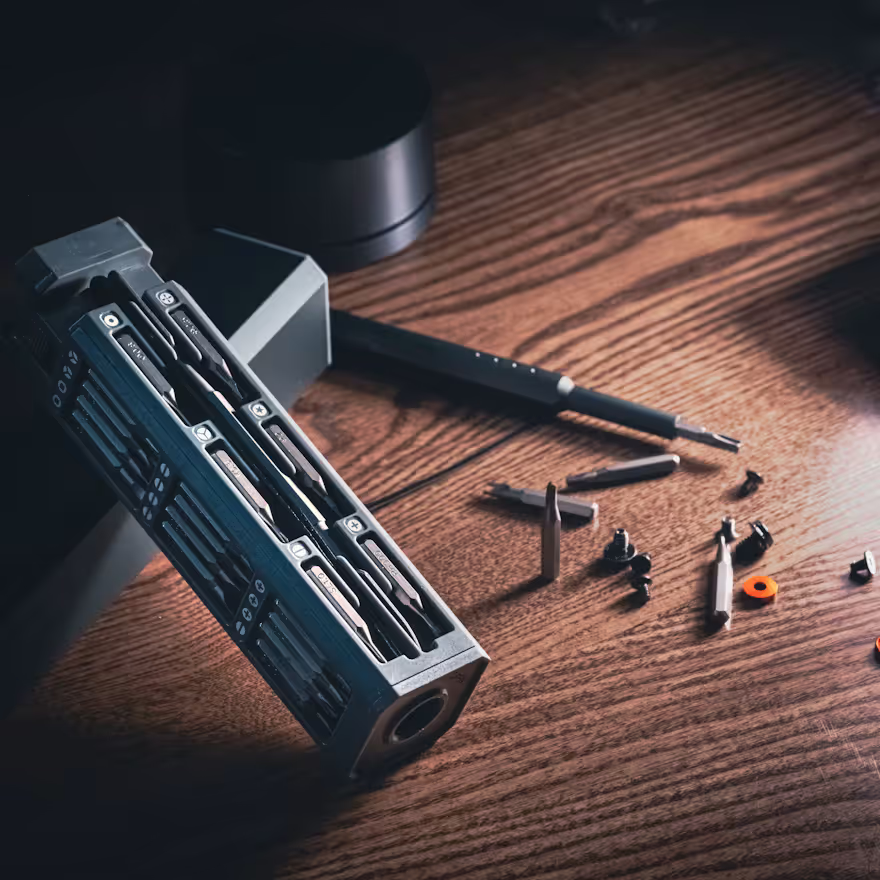
"A mechanical watch rewards patience and care. The attention invested today becomes the heritage preserved for tomorrow."
Final Thoughts
A mechanical watch is one of the few luxury possessions designed to accompany its owner for generations. Unlike products intended to be replaced, it is created with the expectation that careful maintenance will preserve both its precision and its character over time.
Daily care, thoughtful storage, and regular professional servicing all contribute to that longevity. These practices require little effort yet provide lasting rewards, ensuring that the movement continues to perform while the exterior retains the elegance that first inspired admiration.
Perhaps most importantly, caring for a mechanical watch deepens the relationship between owner and timepiece. Every winding, every careful cleaning, and every service reflects respect for the extraordinary craftsmanship contained within a remarkably compact machine.
With patience and attention, today's watch can become tomorrow's heirloom—ready to tell not only the time, but also the story of the generations who cared for it.

Marcus Webb
Heritage Watchmaking Editor documenting legendary watchmakers, traditional manufacturing techniques, and the innovations that continue to shape modern horology. Marcus connects centuries of craftsmanship with today's timepieces.



Comments