The Legacy of Historic Watchmakers: How Tradition Continues to Shape Modern Horology
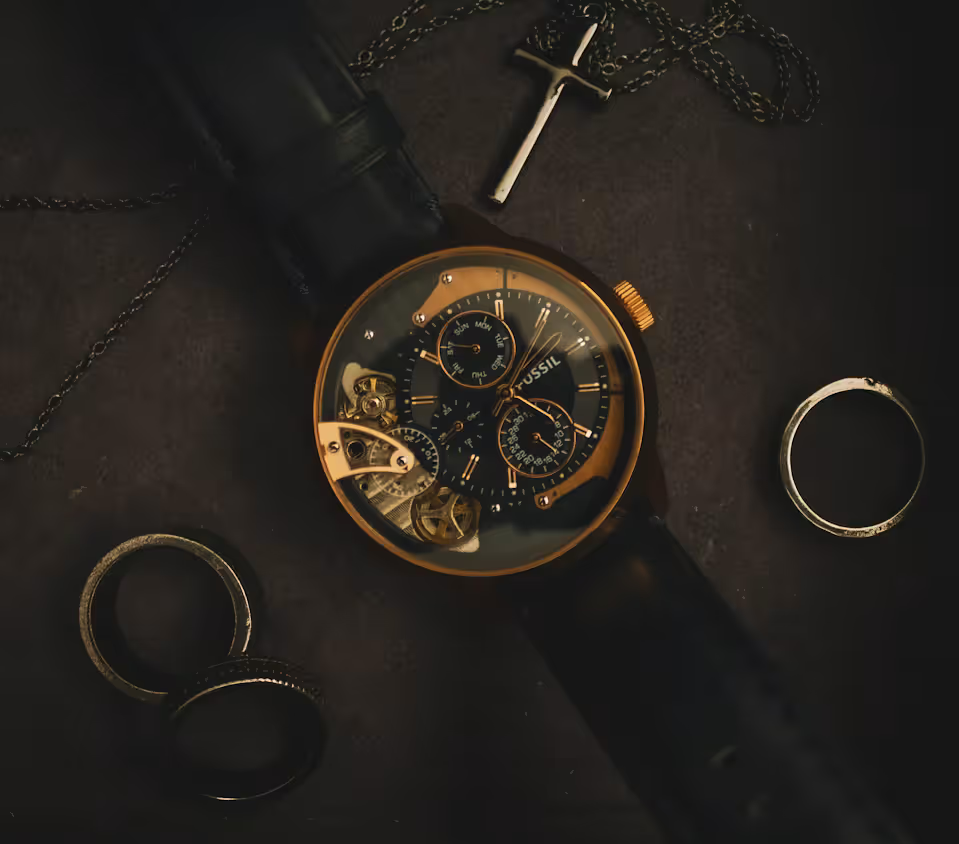
Luxury watchmaking is built upon centuries of accumulated knowledge. Every beautifully finished movement, polished case, and carefully balanced dial reflects techniques refined through generations of patient craftsmanship. While contemporary manufacturing has introduced remarkable advances in precision and efficiency, the foundations of modern horology remain deeply connected to the traditions established by historic watchmakers.
For collectors, understanding this heritage adds another dimension to appreciation. A mechanical watch is not simply an object created today—it represents countless innovations, artistic philosophies, and technical achievements that have gradually shaped the industry over hundreds of years.
The enduring success of luxury watchmaking demonstrates that meaningful progress rarely requires abandoning tradition. Instead, the finest watchmakers continue building upon it.
The Early Foundations of Precision
Long before wristwatches became everyday companions, master clockmakers devoted themselves to solving one challenge above all others—measuring time with greater accuracy.
Their workshops became places of continual experimentation, where gears, springs, escapements, and balance systems were refined through observation and experience. Every improvement, however small, contributed to the remarkable precision collectors now expect from modern mechanical watches.
These early achievements established principles that continue to guide contemporary watchmaking.
Attention to detail, careful adjustment, and respect for mechanical engineering remain just as important today as they were generations ago.
Workshops That Became Symbols of Excellence
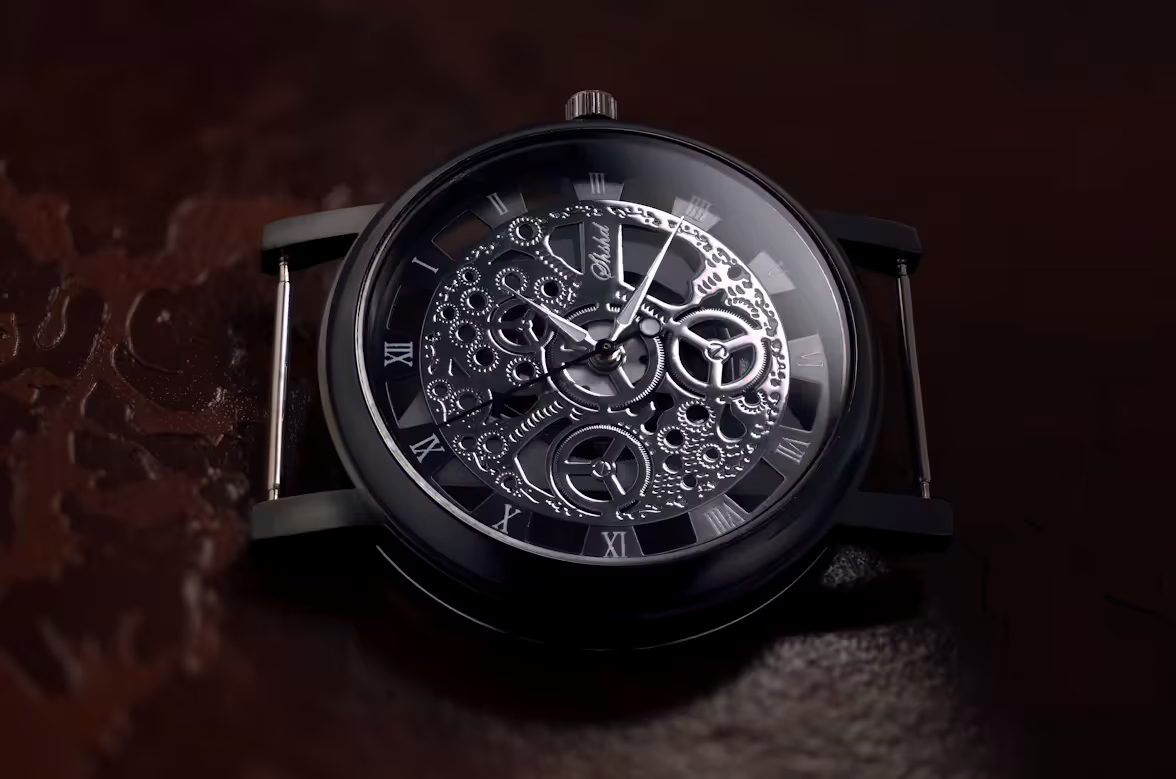
Historic watchmaking workshops earned their reputations not through large production numbers, but through consistency.
Every movement was assembled with patience, every component carefully inspected, and every finished watch expected to meet exceptionally high standards before leaving the workshop.
These principles gradually became traditions passed from experienced masters to young apprentices.
Skills such as polishing bridges, regulating balance wheels, engraving components, and assembling intricate mechanisms required years of dedicated practice. Knowledge was shared through mentorship rather than automation, allowing craftsmanship to evolve while preserving its essential character.
This commitment to education remains one of the defining strengths of traditional watchmaking today.
Innovation Rooted in Tradition
Some people imagine heritage and innovation as opposing ideas.
In reality, the most respected watchmakers demonstrate that the two are inseparable.
Modern materials, improved manufacturing techniques, and advanced precision equipment continue to enhance reliability, yet they are applied with deep respect for traditional craftsmanship.
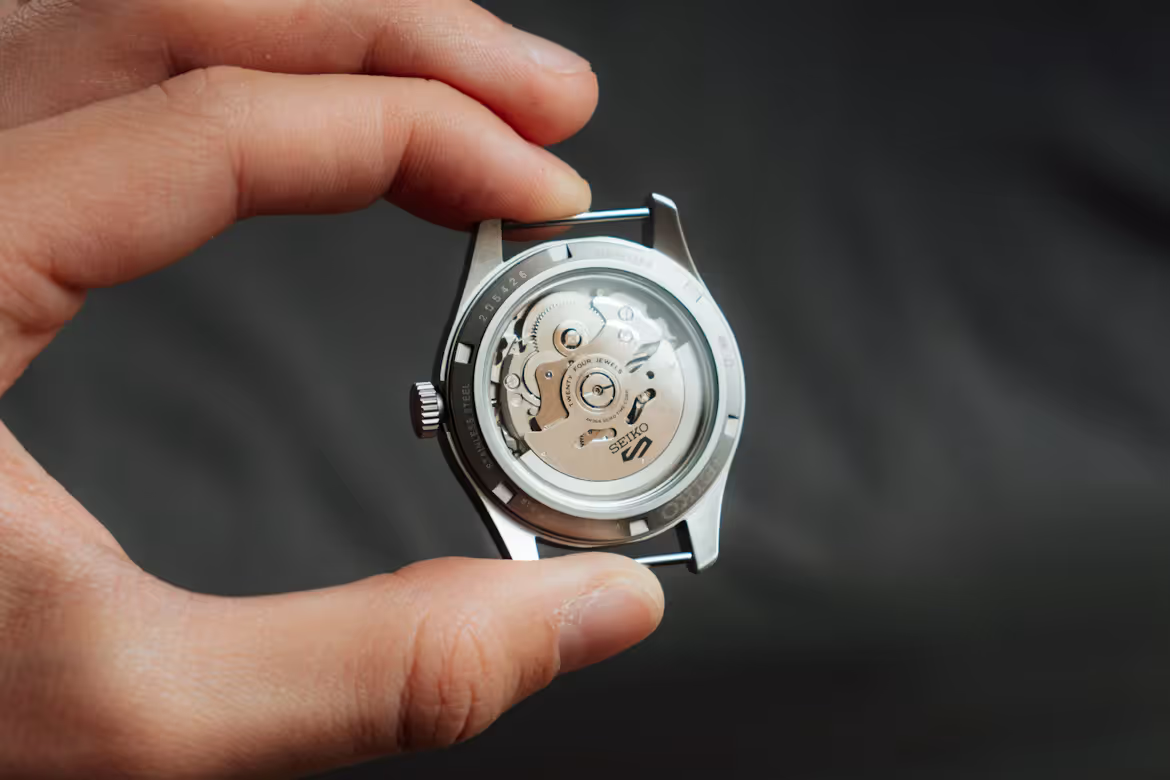
A beautifully finished mechanical movement still requires careful assembly.
Decorative techniques such as beveling, polishing, engraving, and Geneva stripes continue to be admired because they represent human skill rather than industrial efficiency.
Innovation therefore becomes a continuation of tradition rather than a replacement for it.

Why Heritage Matters to Collectors
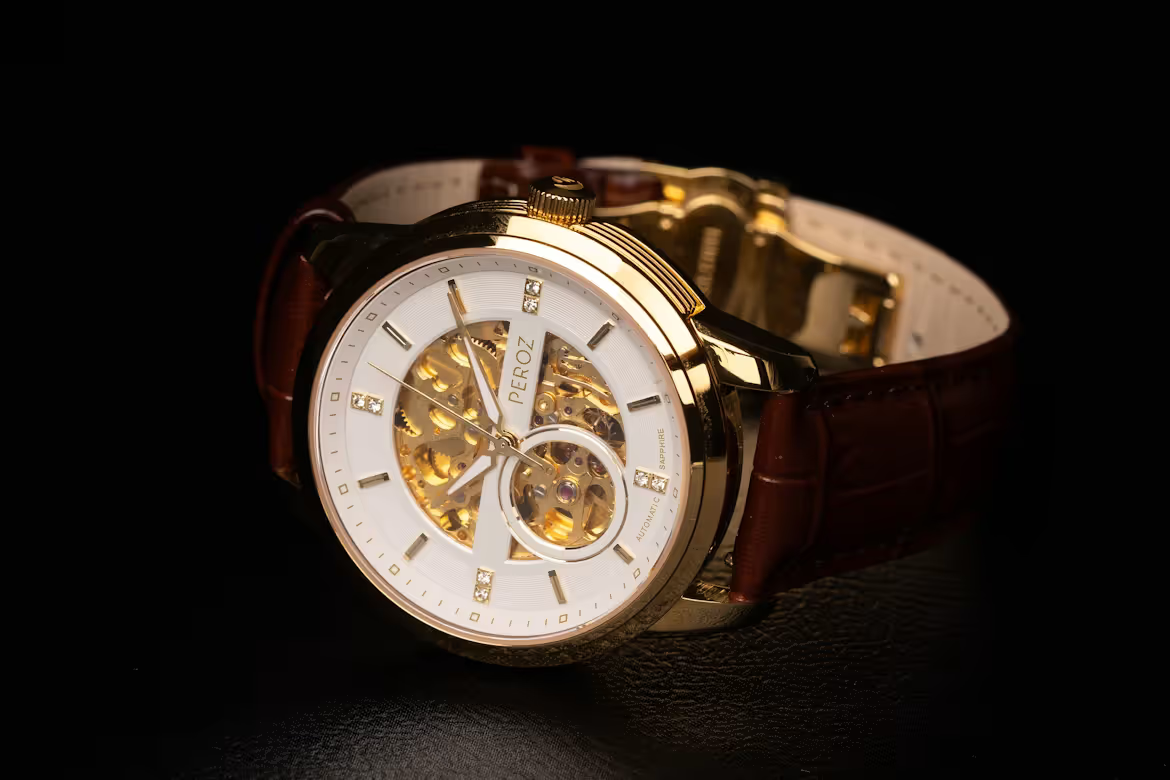
For many collectors, owning a mechanical watch is about far more than measuring time. Every carefully crafted timepiece carries with it a legacy of innovation, craftsmanship, and tradition that stretches back through generations of dedicated watchmakers.
Historic watchmakers established principles that continue to define luxury horology today. Their commitment to precision, reliability, and hand craftsmanship created standards that modern manufacturers still strive to uphold.
Collectors often appreciate this sense of continuity.
Wearing a mechanical watch connects the present with the past, allowing centuries of accumulated knowledge to remain relevant in everyday life. The movement inside the watch reflects not only modern engineering but also the countless improvements introduced by generations of skilled artisans.
This connection to history gives luxury watches an emotional depth rarely found in ordinary consumer products.
Preserving Skills Across Generations
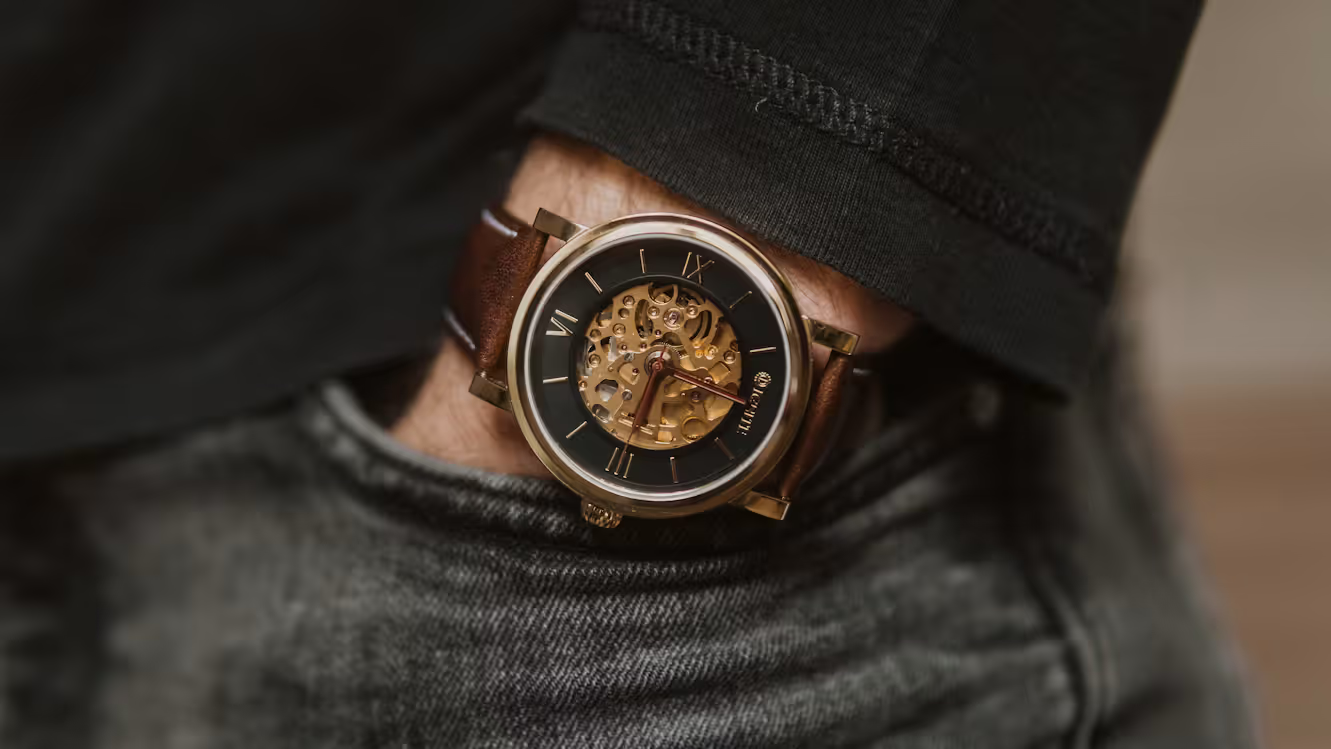
Traditional watchmaking survives because knowledge continues to be shared.
Master watchmakers dedicate years to refining techniques that cannot be learned through machinery alone. Skills such as movement regulation, hand-finishing, polishing, decorative engraving, and precise assembly require patience developed through experience rather than automation.
Many respected manufactures continue supporting apprenticeship programs where experienced artisans guide the next generation of craftsmen.
This transfer of knowledge ensures that traditional methods remain alive while allowing modern innovation to strengthen rather than replace historic practices.
As technology continues advancing, these human skills become even more valuable.
They remind us that exceptional craftsmanship depends not only on sophisticated equipment but also on judgement, experience, and dedication.
Heritage as a Source of Innovation
One of the greatest misconceptions about traditional watchmaking is that heritage prevents progress.
The opposite is often true.
Modern watchmakers continue improving materials, manufacturing accuracy, and movement efficiency while respecting the design philosophies established by earlier generations.
Scratch-resistant ceramics, advanced alloys, improved lubricants, and contemporary manufacturing technologies all contribute to more reliable timepieces. Yet beneath these innovations remains a movement assembled according to principles developed long before digital technology existed.
This balance between heritage and progress allows luxury watchmaking to remain both historically meaningful and technically relevant.
Rather than replacing tradition, innovation ensures its continued evolution.

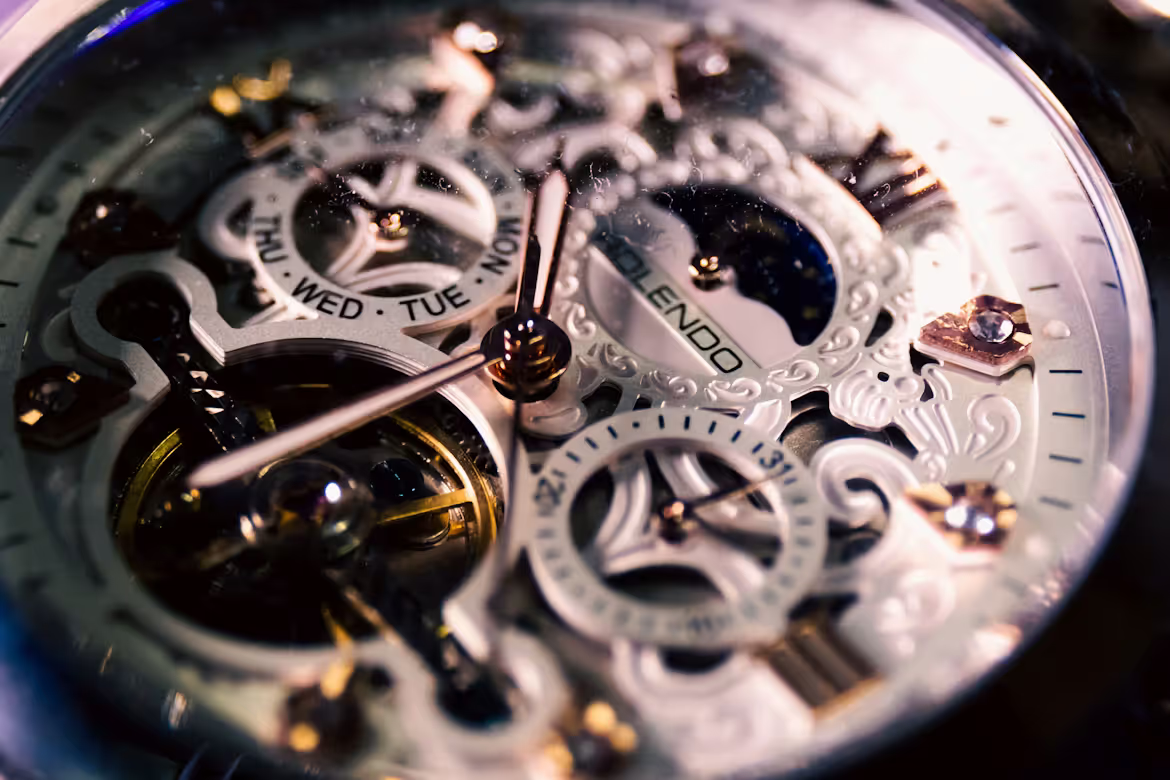
"The legacy of great watchmaking is not measured only by the watches that survive, but by the knowledge passed from one generation of craftsmen to the next."
Final Thoughts
The enduring legacy of historic watchmakers is visible in every carefully crafted mechanical watch produced today. Their pursuit of precision, their respect for craftsmanship, and their willingness to refine every detail established traditions that continue to define luxury horology.
For collectors, understanding this heritage transforms a beautiful watch into something far more meaningful. Every polished bridge, balanced movement, and meticulously finished component reflects centuries of accumulated knowledge carried forward by skilled artisans.
As modern technology continues to reshape manufacturing, the principles established by historic watchmakers remain remarkably relevant. They remind us that true excellence is achieved not through speed or convenience, but through patience, precision, and an unwavering commitment to quality.
Luxury watches continue to inspire because they embody these timeless values—connecting the past, present, and future through exceptional craftsmanship that transcends generations.

Richard Sinclair
Buying Guides Editor helping readers choose luxury watches and fine jewelry with confidence. Richard explains mechanical movements, authentication, maintenance, and collecting essentials through clear, practical editorial guidance.



Comments