Understanding Luxury Watch Sizes: Finding the Perfect Fit
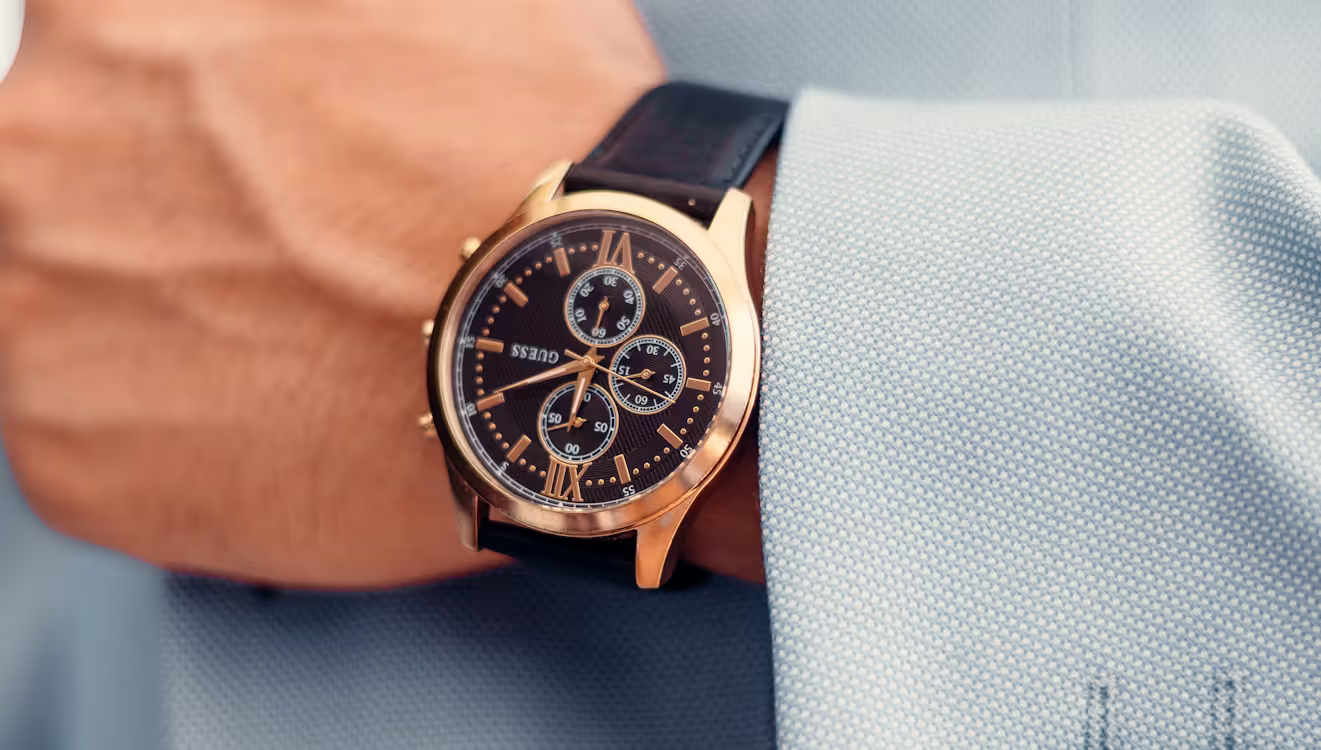
Selecting a luxury watch is often an emotional experience. The dial may immediately capture your attention, the movement may impress with its engineering, and the finishing may reveal remarkable craftsmanship. Yet one characteristic influences long-term satisfaction more than almost any other—the way the watch fits your wrist.
A beautifully crafted timepiece should feel comfortable from morning until evening. It should sit naturally beneath a shirt cuff, remain balanced during daily wear, and complement your wrist rather than overpower it. When the proportions are correct, the watch becomes an effortless part of your everyday routine.
Many first-time buyers focus primarily on case diameter, believing that a single measurement determines whether a watch is suitable. In reality, achieving the perfect fit involves understanding several dimensions that work together to shape both comfort and appearance.
Learning these principles helps collectors choose watches they will continue enjoying for many years.
Looking Beyond Case Diameter
Case diameter is usually the first specification people notice.
Measurements such as 36 mm, 40 mm, or 42 mm provide a useful starting point, but they never tell the complete story. Two watches sharing exactly the same diameter can feel entirely different once worn because their proportions, lug design, and thickness vary significantly.
A well-designed 39 mm watch may wear larger than a 41 mm model with shorter lugs. Likewise, a slimmer case often appears more elegant than a thicker watch of similar diameter.
Rather than searching for a particular number, experienced collectors evaluate how the entire watch sits on the wrist.
The goal is harmony rather than maximum size.
Why Lug-to-Lug Distance Matters
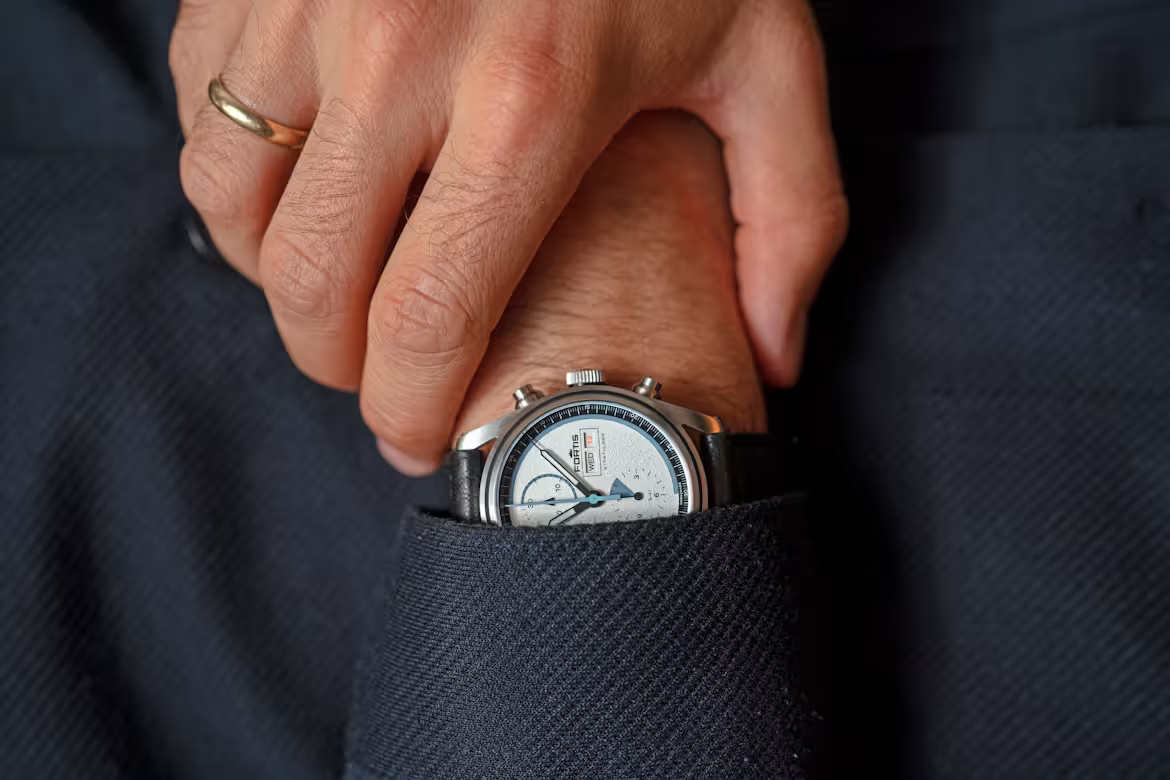
Among experienced collectors, lug-to-lug distance is often considered one of the most important measurements.
This specification describes the distance from the tip of the upper lug to the tip of the lower lug. Because the lugs extend across the wrist, they have a significant influence on how comfortably the watch wears.
Ideally, the lugs should remain within the natural width of the wrist. When they extend beyond the edges, the watch can appear oversized and feel less secure during everyday wear.
Thoughtful lug design also improves comfort by allowing the bracelet or strap to wrap naturally around the wrist.
Many beautifully proportioned watches achieve their balanced appearance not because of case diameter alone, but because their lug dimensions have been carefully considered.
The Importance of Case Thickness
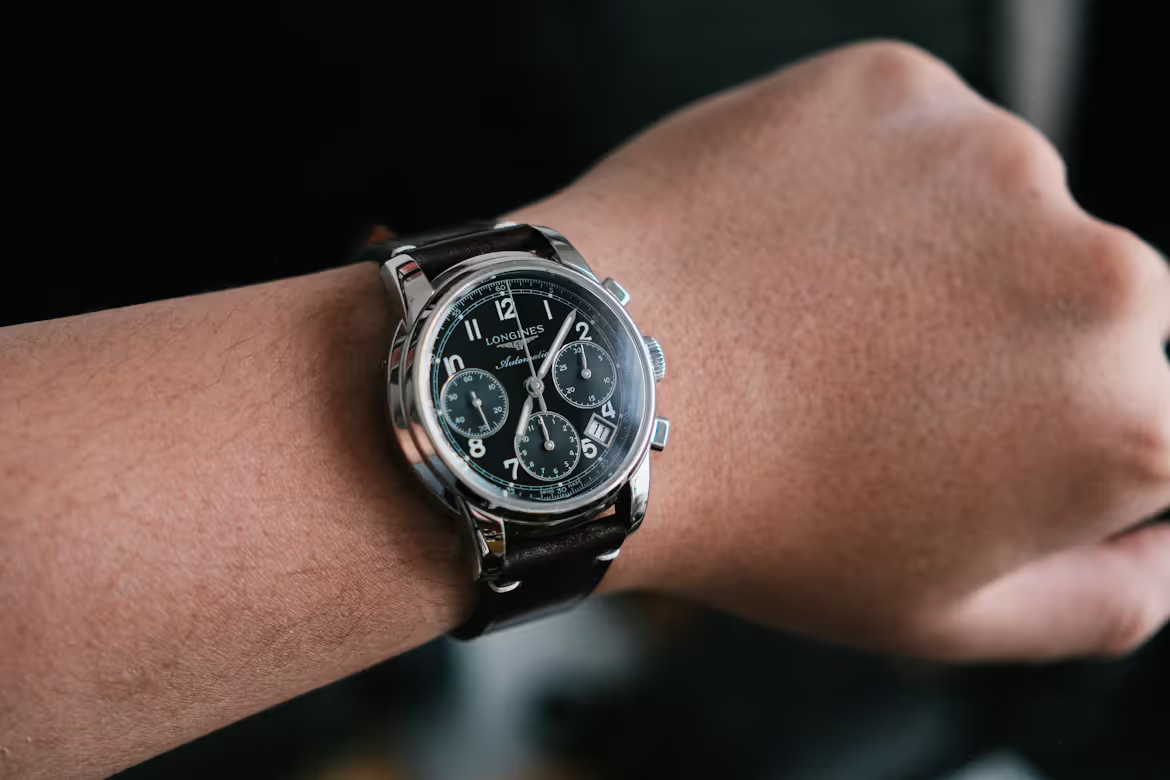
Thickness is another measurement that deserves careful attention.
A watch worn daily should feel comfortable beneath a jacket sleeve while remaining balanced throughout the day. Excessive thickness may cause the watch to sit higher on the wrist, making it more noticeable during everyday activities.
Dress watches often achieve their refined appearance through slim cases that slide effortlessly beneath formal clothing.
Sports watches, including dive watches and chronographs, naturally require slightly thicker cases due to additional engineering requirements such as increased water resistance or more complex mechanical movements.
Neither approach is inherently better.
The appropriate thickness depends on how and where the watch will be worn.
Understanding this relationship helps buyers select a watch that complements their lifestyle as well as their personal style.
Choosing Comfort Over Trends
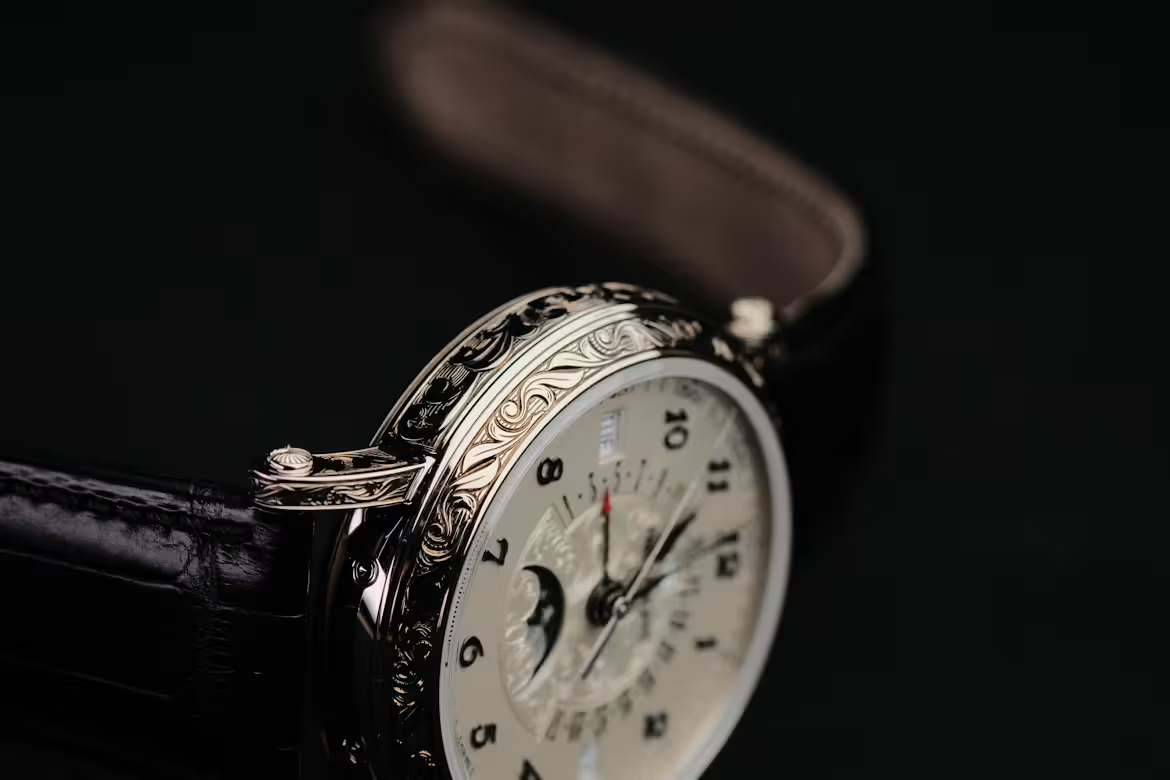
Watch sizes have changed noticeably over the years.
There have been periods when oversized cases dominated the market, followed by a renewed appreciation for more restrained proportions. These changing preferences remind collectors that trends are temporary, while comfort remains timeless.
Rather than selecting a watch simply because it reflects current fashion, experienced enthusiasts often choose the size that feels most natural on their own wrist.
The result is a watch that continues to feel appropriate regardless of changing tastes or industry trends.
A perfectly fitting watch rarely attracts attention because of its size alone.
Instead, it creates a quiet sense of balance that becomes increasingly satisfying every time it is worn.
Matching the Watch to the Occasion
A well-proportioned watch should complement the moments in which it will be worn. While many modern luxury watches are designed to transition effortlessly between different settings, understanding the relationship between size and occasion helps collectors make more confident decisions.
Slim dress watches often pair naturally with tailored clothing because their refined profiles slip comfortably beneath shirt cuffs. Sports watches, by contrast, usually feature slightly larger cases and more robust construction that suit active lifestyles and casual attire.
Versatile everyday watches occupy the middle ground. Balanced proportions, restrained dial designs, and moderate case dimensions allow them to accompany both professional environments and relaxed weekends with equal confidence.
Choosing the appropriate size is therefore not about following strict rules but about creating harmony between the watch, the wearer, and the occasion.

The Role of Bracelets and Straps
Comfort extends beyond the watch case itself.
A thoughtfully designed bracelet distributes weight evenly across the wrist while maintaining stability throughout the day. High-quality leather straps gradually adapt to the owner's wrist, creating an increasingly comfortable fit with regular wear.
Collectors often enjoy changing straps because a simple adjustment can dramatically alter the character of a watch. A polished bracelet creates a contemporary appearance, while leather introduces warmth and elegance. Textile straps offer a more relaxed aesthetic without compromising practicality.
Regardless of material, proper sizing remains essential.
A bracelet that is too loose allows the watch to slide unnecessarily, while an overly tight fit can reduce comfort during extended wear.
Small adjustments frequently make a significant difference to the overall ownership experience.
Choosing a Watch That Ages Gracefully
One of the greatest advantages of selecting balanced proportions is long-term satisfaction.
Design trends inevitably evolve, yet watches built around timeless dimensions continue looking appropriate decade after decade. Many of today's most admired classic timepieces share moderate proportions that remain comfortable and visually refined regardless of changing fashions.
Experienced collectors therefore encourage new enthusiasts to choose what feels natural rather than what appears temporarily popular.
A watch selected for comfort, craftsmanship, and thoughtful design will often become a trusted companion through countless milestones rather than simply another purchase influenced by current trends.
The finest watches rarely demand attention.
Instead, they quietly become part of everyday life.
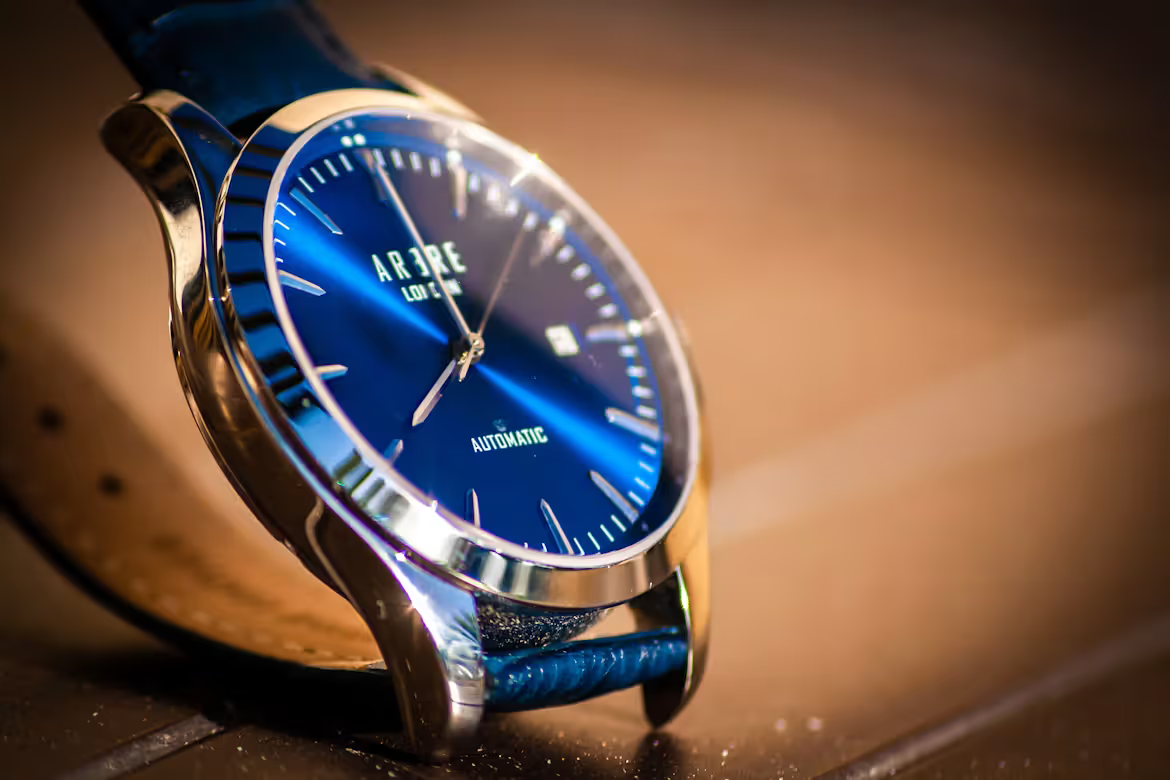
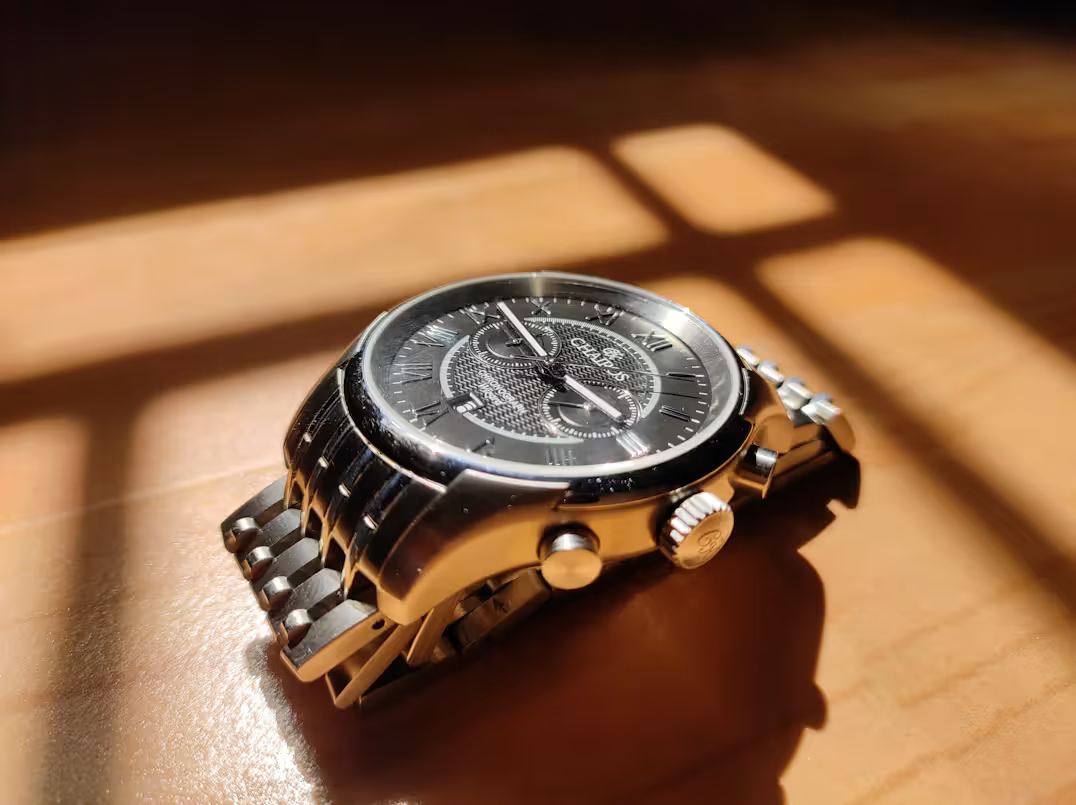
"The perfect watch size is not defined by trends or measurements alone—it is the one that feels completely natural every time you wear it."
Final Thoughts
Finding the right luxury watch involves far more than selecting an attractive dial or prestigious name. Comfort, proportion, and thoughtful design all contribute to a watch that feels effortless to wear throughout the day.
Understanding measurements such as case diameter, lug-to-lug distance, and thickness allows collectors to look beyond simple specifications and appreciate how different elements work together. Combined with the right bracelet or strap, these proportions create a balanced wearing experience that remains satisfying for years.
Ultimately, the best luxury watch is not necessarily the largest, the smallest, or the most technically complex. It is the one that complements your wrist naturally, reflects your personal style, and encourages you to enjoy the remarkable craftsmanship it represents.
When chosen with patience and understanding, a well-proportioned watch becomes more than an accessory. It becomes a trusted companion whose comfort and elegance continue to reward its owner every day.

Marcus Webb
Heritage Watchmaking Editor documenting legendary watchmakers, traditional manufacturing techniques, and the innovations that continue to shape modern horology. Marcus connects centuries of craftsmanship with today's timepieces.

Comments