Platinum or Gold? Choosing the Right Precious Metal for Fine Jewelry
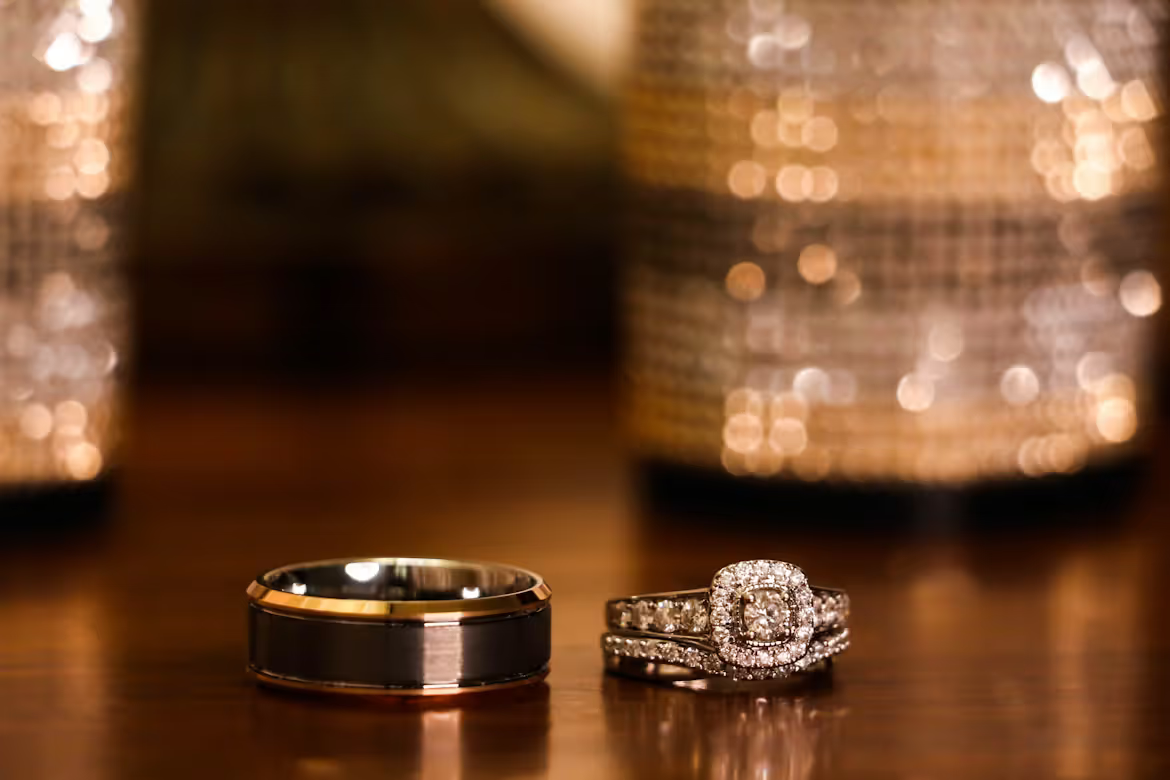
Selecting a fine piece of jewelry often begins with the gemstone, yet the precious metal surrounding it plays an equally important role. Platinum and gold have remained the preferred choices of master jewelers for centuries, admired not only for their beauty but also for their durability, workability, and ability to complement exceptional gemstones.
Although both metals belong to the world of luxury jewelry, they offer distinctly different characteristics. Their appearance, weight, maintenance requirements, and long-term wear all influence the ownership experience.
Understanding these differences allows collectors to appreciate fine jewelry beyond aesthetics alone. Rather than asking which metal is objectively better, experienced enthusiasts consider which one best complements the design, craftsmanship, and intended use of a particular piece.
Thoughtful selection ensures that a jewel remains as enjoyable decades from now as it is on the day it is first worn.
Understanding Platinum
Platinum is admired for its quiet sophistication.
Its naturally white appearance requires no surface plating to achieve its distinctive colour, allowing it to retain a refined, understated character throughout years of regular wear.
Another defining quality is its density.
Platinum jewelry often feels noticeably substantial in the hand, a characteristic many collectors associate with exceptional quality. This reassuring weight reflects the metal's natural properties rather than decorative design.
Master jewelers also value platinum for its strength. Fine settings holding diamonds or other precious gemstones benefit from its durability, helping secure stones while allowing delicate designs to remain both elegant and dependable.
These qualities explain why platinum continues to occupy a respected place within high jewelry.
The Enduring Appeal of Gold
Gold has inspired artisans and collectors across cultures for thousands of years.
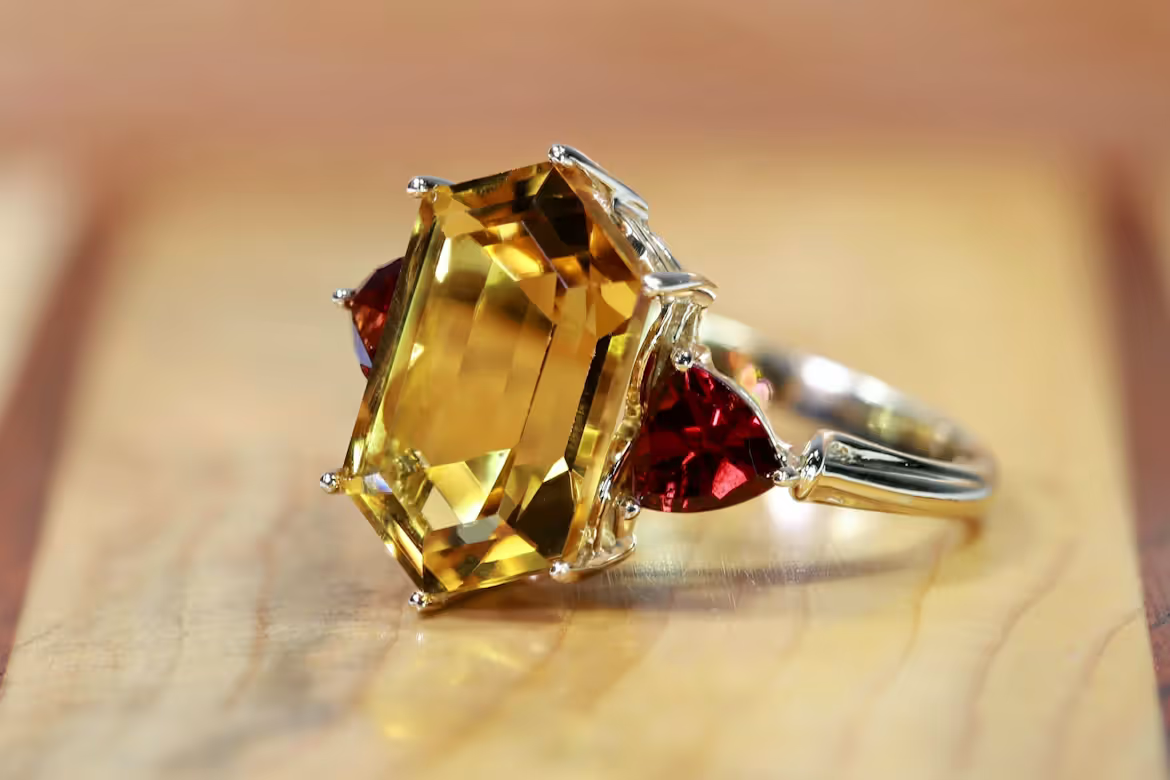
Its remarkable workability allows skilled craftspeople to create designs ranging from understated wedding bands to highly intricate pieces of high jewelry. Whether presented in yellow, white, or rose variations, gold offers remarkable versatility while maintaining its unmistakable warmth.
Different alloys influence both appearance and durability.
Higher gold content provides greater purity, while carefully balanced alloys enhance strength for everyday wear. These combinations allow jewelers to select materials appropriate for both elegant statement pieces and frequently worn jewelry.
Collectors often appreciate gold because its rich tones complement a wide variety of gemstones while developing a graceful character through regular wear.
Its enduring popularity demonstrates that timeless materials rarely lose their appeal.
Choosing According to Lifestyle
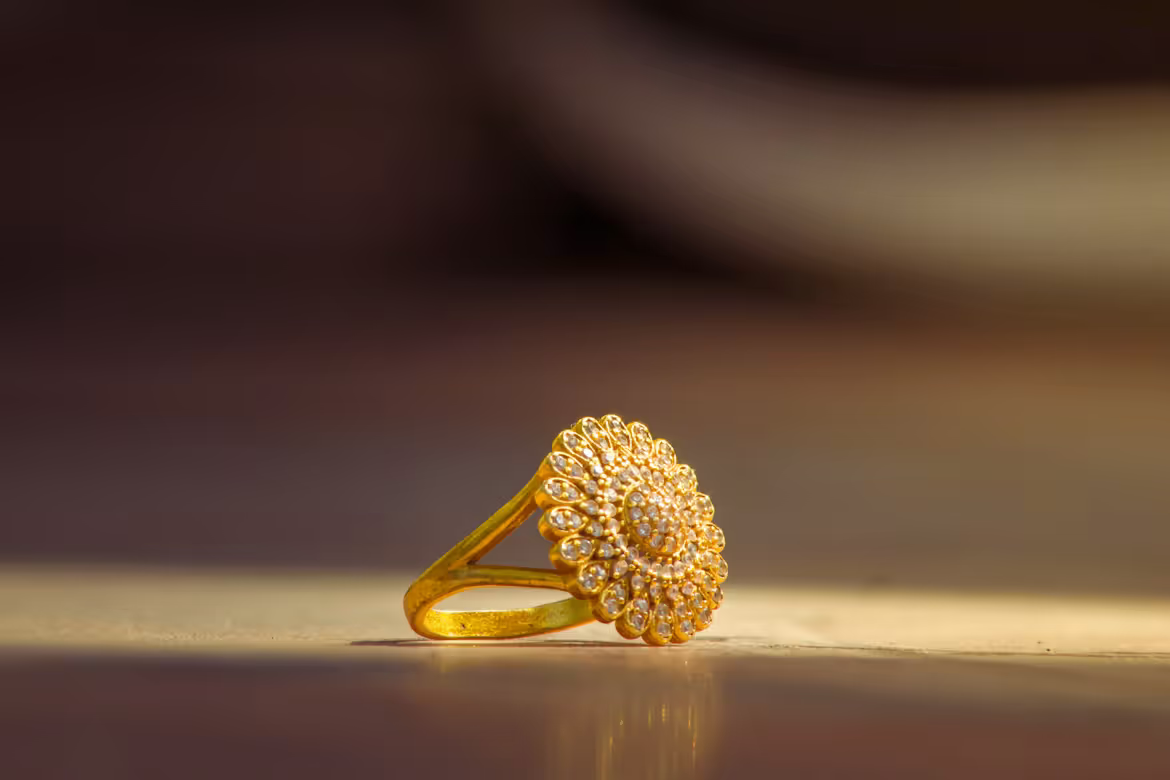
The decision between platinum and gold often depends less on technical specifications and more on personal lifestyle.
Someone seeking a ring for everyday wear may appreciate platinum's durability and naturally white appearance. Others may prefer the warmth and versatility of gold, particularly when selecting pieces intended to complement existing jewelry.
Comfort also plays an important role.
Some collectors enjoy the reassuring weight of platinum, while others prefer the lighter feel of gold during daily wear.
Neither choice is universally superior.
The most rewarding decision is the one that aligns naturally with personal taste, intended use, and long-term enjoyment.
Craftsmanship Beyond the Metal
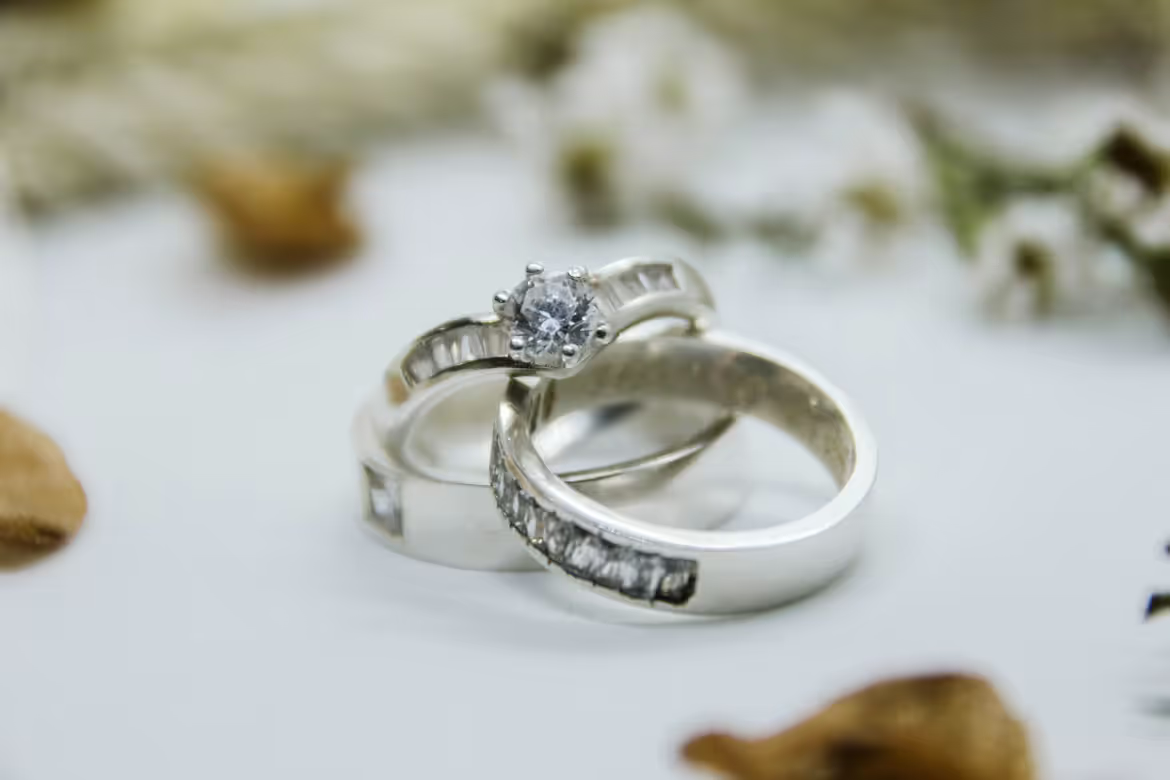
Although platinum and gold possess different physical characteristics, both depend upon exceptional craftsmanship to reach their full potential.
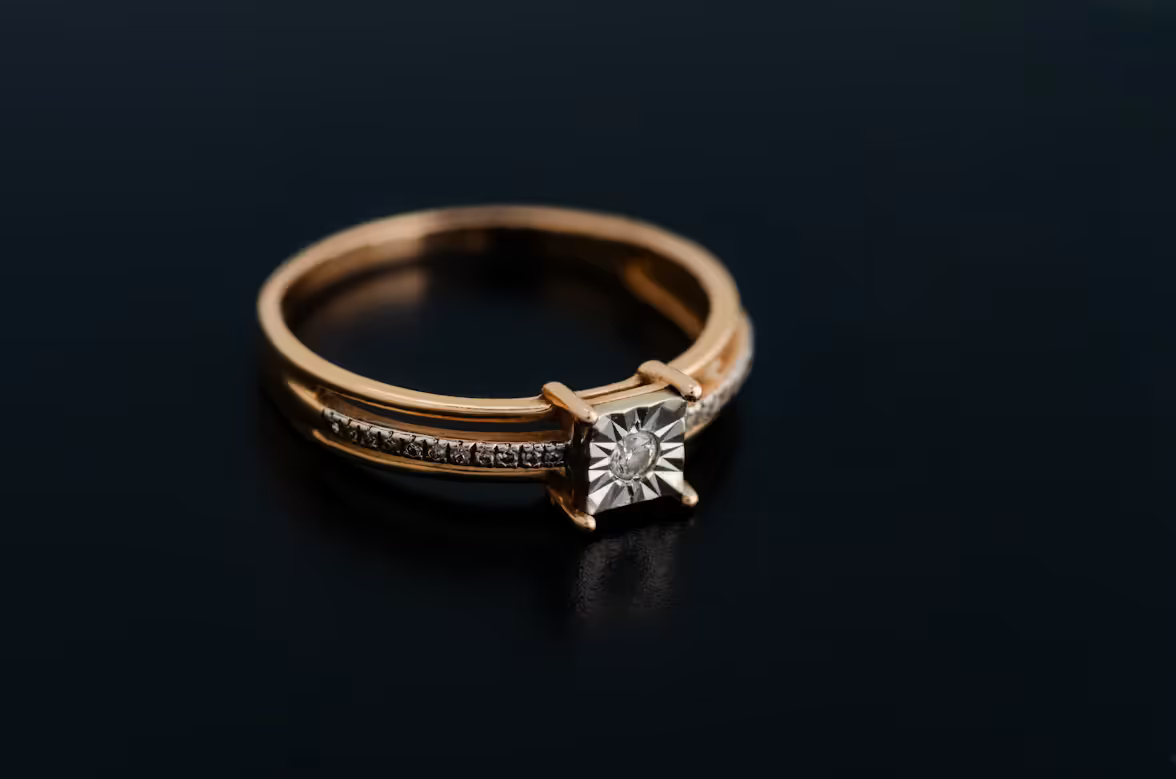
Master jewelers carefully study every design before shaping the metal. The thickness of each band, the balance of every setting, and the placement of gemstones all influence both beauty and durability. Precision is essential because even the smallest detail affects how the finished piece will be worn and admired.
Polishing is equally important.
A beautifully finished platinum ring reflects light with a refined, understated brilliance, while expertly polished gold develops a rich, luminous warmth that enhances its distinctive colour. These finishing techniques require patience and experience, transforming raw materials into elegant works of wearable art.
Collectors often discover that craftsmanship, rather than the choice of metal alone, has the greatest influence on the long-term enjoyment of fine jewelry.
Caring for Platinum and Gold Jewelry
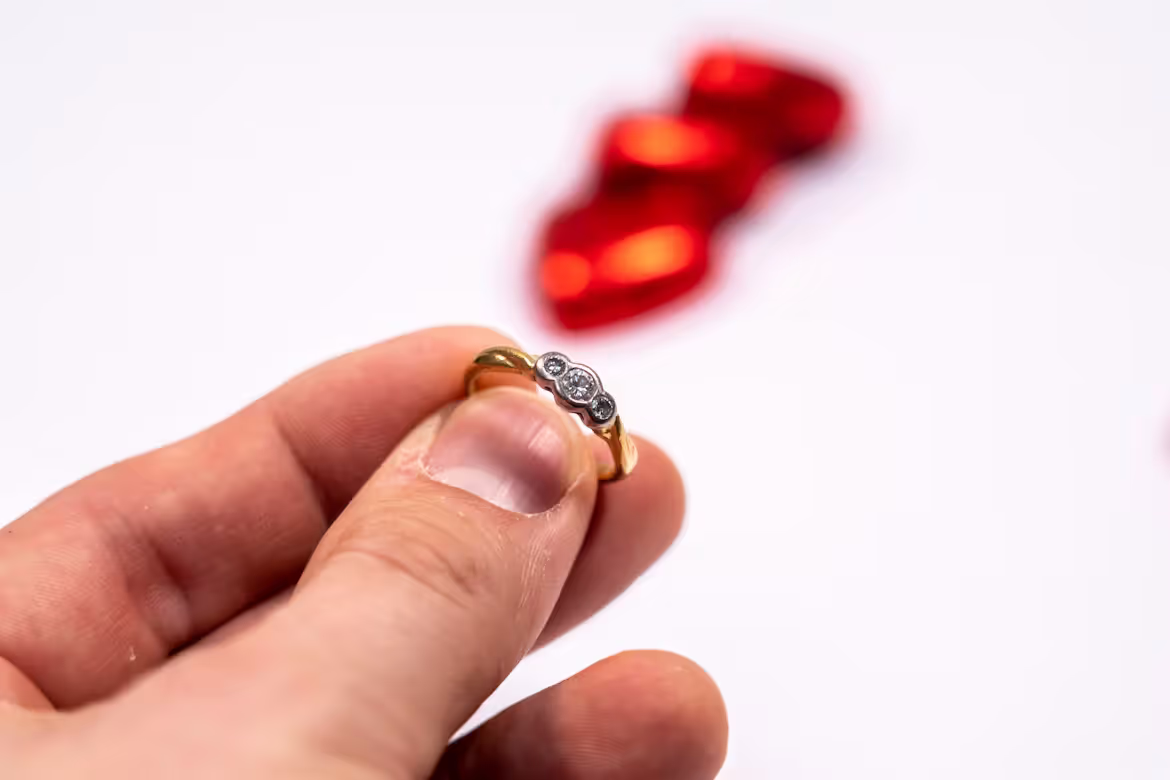
Fine jewelry is designed to accompany its owner for many years, and thoughtful care helps preserve both its appearance and structural integrity.
Regular cleaning with a soft microfiber cloth removes everyday oils and dust while maintaining the natural brilliance of the metal. Jewelry should also be stored separately inside soft pouches or lined compartments to reduce unnecessary contact with harder objects that may cause surface scratches.
Platinum gradually develops a gentle satin-like patina through regular wear. Many collectors appreciate this natural evolution because it reflects years of ownership while preserving the metal itself.
Gold responds differently.
Its polished finish can be refreshed periodically by a professional jeweler, allowing the piece to retain its original brilliance while respecting its craftsmanship.
Routine inspections also ensure that gemstone settings remain secure, particularly for jewelry worn daily.
Small preventative measures often preserve beauty far more effectively than major restoration later.
Choosing a Piece That Reflects You
There is no universally correct choice between platinum and gold.
Some collectors appreciate platinum for its understated elegance and reassuring weight, while others are drawn to the warmth and versatility of yellow or rose gold. Personal style, daily wear habits, and emotional connection all contribute to the decision.
The finest jewelry rarely becomes meaningful because of the metal alone.
Instead, it is remembered for the moments it celebrates—a wedding, an anniversary, a family tradition, or a personal achievement. Over time, these memories become inseparable from the piece itself.
Choosing thoughtfully ensures that fine jewelry continues to carry significance long after fashion trends have changed.
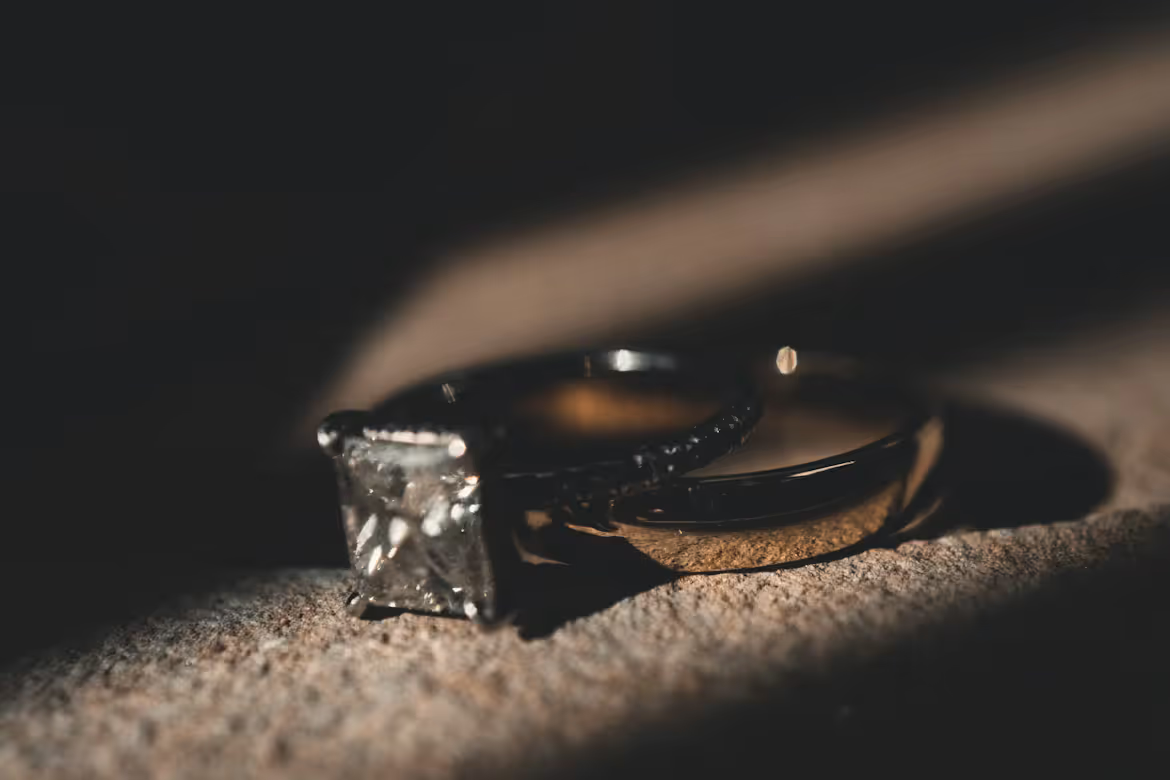
"The finest jewelry is defined not by the metal alone, but by the craftsmanship, memories, and meaning it carries through generations."
Final Thoughts
The choice between platinum and gold is ultimately a matter of personal preference rather than superiority. Both precious metals have earned their place in the world of fine jewelry through centuries of craftsmanship, refinement, and enduring beauty.
Platinum offers quiet sophistication, exceptional durability, and a naturally white appearance that complements contemporary and classic designs alike. Gold, with its rich heritage and remarkable versatility, continues to inspire jewelers through its warmth, elegance, and ability to suit a wide variety of styles.
For collectors, understanding the unique qualities of each metal leads to more confident and meaningful choices. Rather than focusing solely on appearance, thoughtful buyers appreciate the relationship between craftsmanship, comfort, durability, and personal significance.
When selected with care, a beautifully crafted piece of jewelry becomes more than an accessory. It becomes a lasting expression of artistry and a treasured companion to life's most meaningful moments.

Charlotte Beaumont
Fine Jewelry Editor covering exceptional jewelry, rare gemstones, and timeless craftsmanship. Charlotte explores heritage jewelry houses, precious materials, and the artistry behind pieces created to be treasured for generations.


Comments