Limited Editions: What Makes Collectibles Truly Rare?
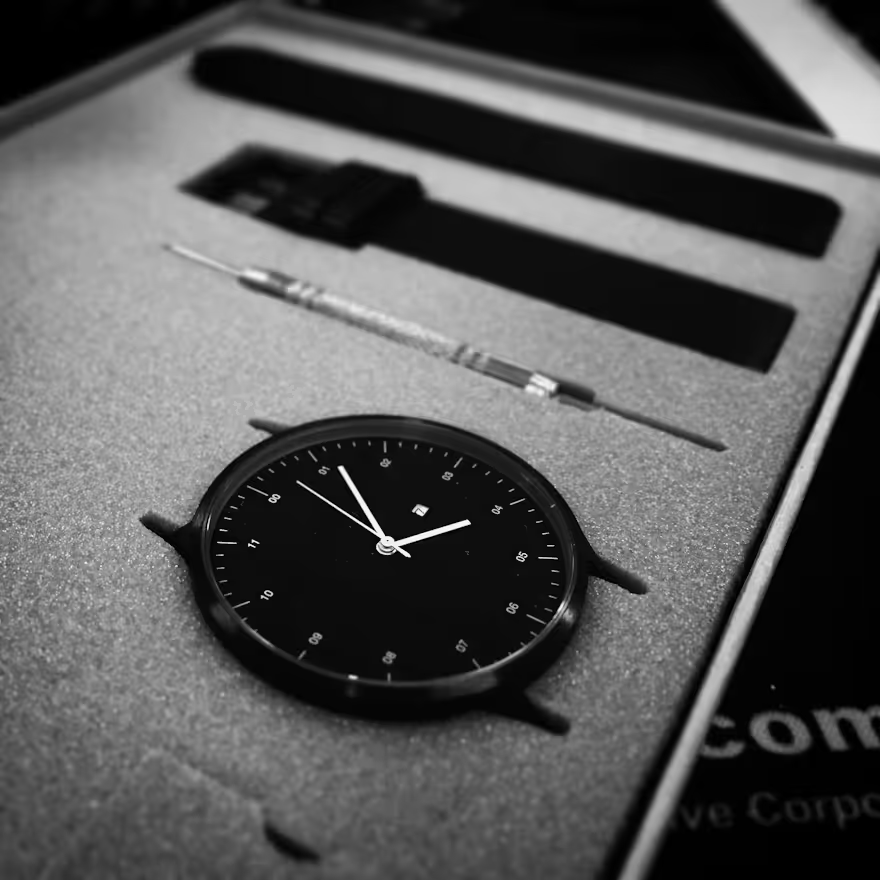
The words limited edition often attract immediate attention. Whether appearing on a luxury watch, handcrafted fountain pen, or exceptional piece of jewelry, the phrase suggests exclusivity and scarcity. Yet experienced collectors understand that rarity is defined by much more than the number engraved on a certificate.
A truly collectible object combines thoughtful craftsmanship, meaningful design, and lasting significance. Limited production may increase exclusivity, but it is the quality of the object itself that determines whether it will continue to be admired decades later.
Many objects are produced in small quantities.
Only a few become genuinely desirable.
Understanding this distinction helps collectors look beyond marketing language and appreciate the characteristics that create enduring value.
Beyond Production Numbers
A limited edition does not automatically become an exceptional collectible.
Some editions are restricted simply by quantity, while others commemorate meaningful anniversaries, celebrate historic achievements, or showcase remarkable craftsmanship unavailable in regular production.
Collectors often examine the reason behind the edition rather than focusing solely on how many examples were produced.
A thoughtfully created edition reflecting genuine heritage or technical innovation frequently commands greater admiration than an ordinary object produced in smaller numbers.
Context matters as much as scarcity.
The story surrounding an object often contributes significantly to its lasting appeal.
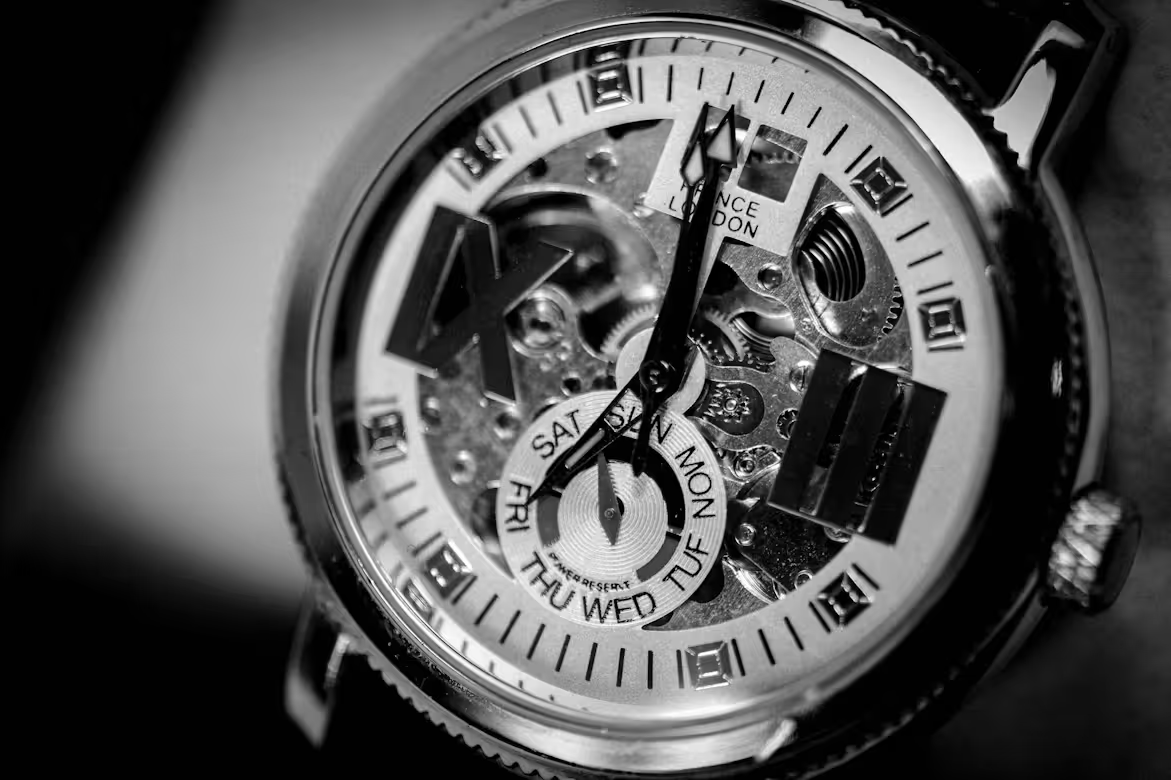
Craftsmanship Comes First
Exceptional craftsmanship remains the foundation of every lasting collectible.
Collectors frequently discover that beautifully finished objects continue attracting admiration long after production numbers have faded from memory. Precision engineering, refined materials, and thoughtful design provide enduring satisfaction that extends beyond exclusivity alone.
Limited editions often introduce unique decorative techniques, special materials, or hand-finished details unavailable elsewhere.
These distinctions allow collectors to appreciate not only rarity but also the remarkable effort invested during production.
When craftsmanship leads the design process, exclusivity becomes a natural consequence rather than the primary attraction.
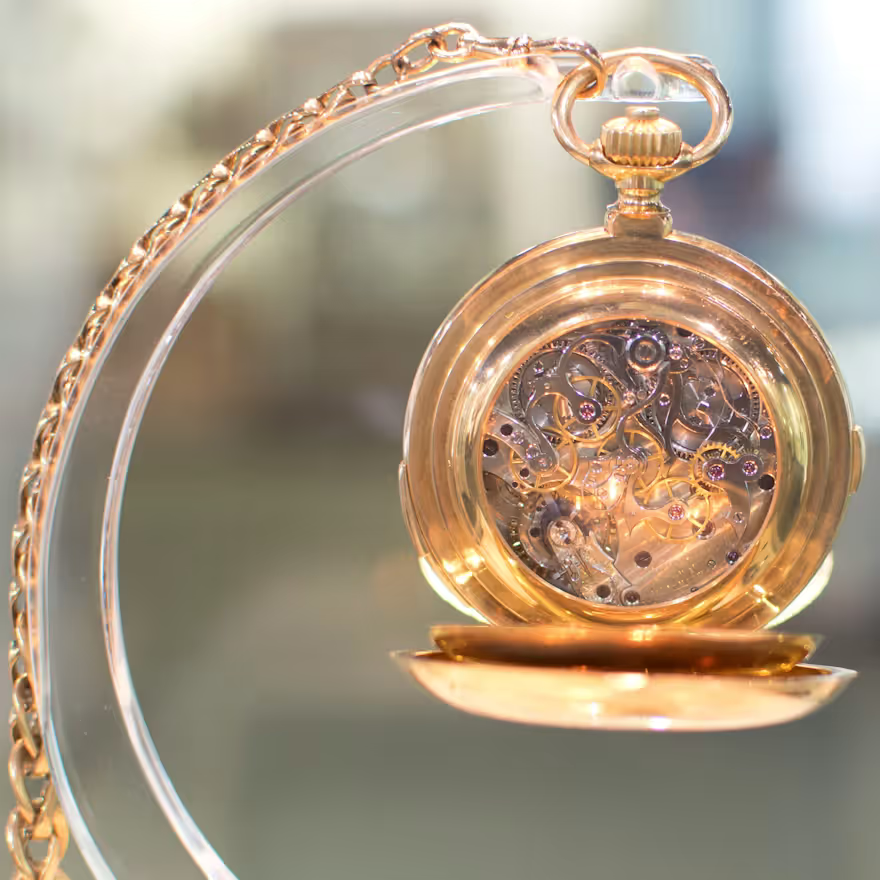
Heritage Creates Meaning
Many of the most respected limited editions celebrate important moments in the history of a manufacture or commemorate milestones that shaped its identity.
Rather than introducing dramatic changes, these editions often reinterpret classic designs while preserving the qualities collectors already admire.
This connection to heritage gives the object emotional depth.
Collectors appreciate owning a piece that represents a meaningful chapter in a longer story rather than simply another variation within a product catalogue.
Heritage transforms rarity into significance.
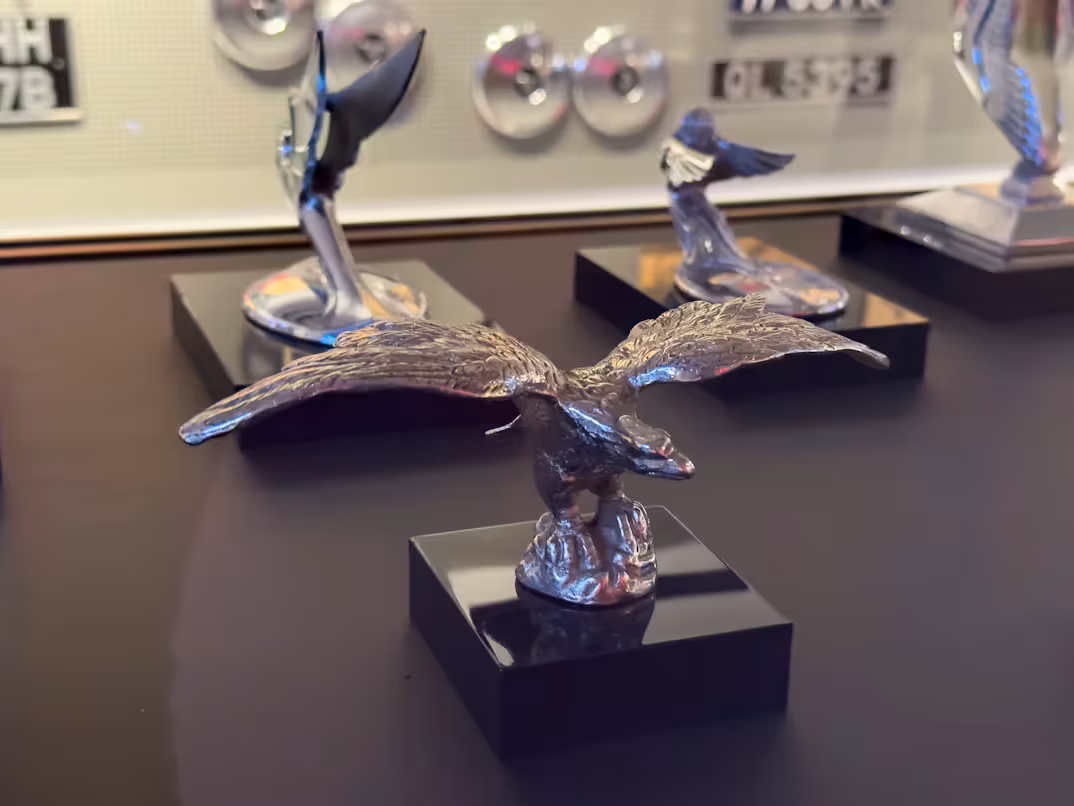
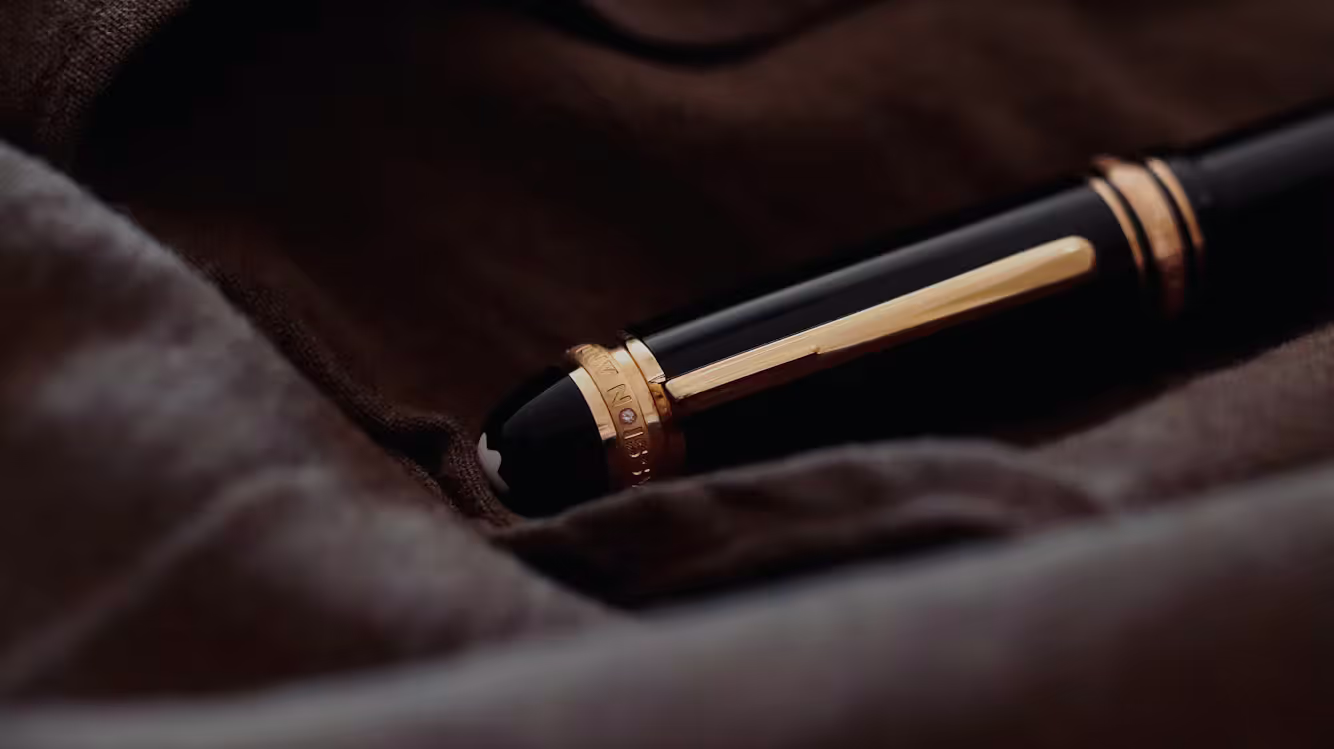
How Collectors Recognise True Rarity
Experienced collectors rarely judge an object by production numbers alone.
Instead, they consider a combination of craftsmanship, historical significance, originality, condition, and provenance. A beautifully preserved collectible with complete documentation and a meaningful story often commands greater admiration than an item that is merely scarce.
Original presentation boxes, certificates, purchase records, and service history all contribute to the object's authenticity and long-term appeal. These details provide confidence while preserving the narrative that accompanies the collectible throughout its lifetime.
Collectors also value consistency.
Objects that remain faithful to their original design and retain their defining characteristics often become the most respected examples within a collection.
True rarity is therefore created through a combination of quality, preservation, and historical context.
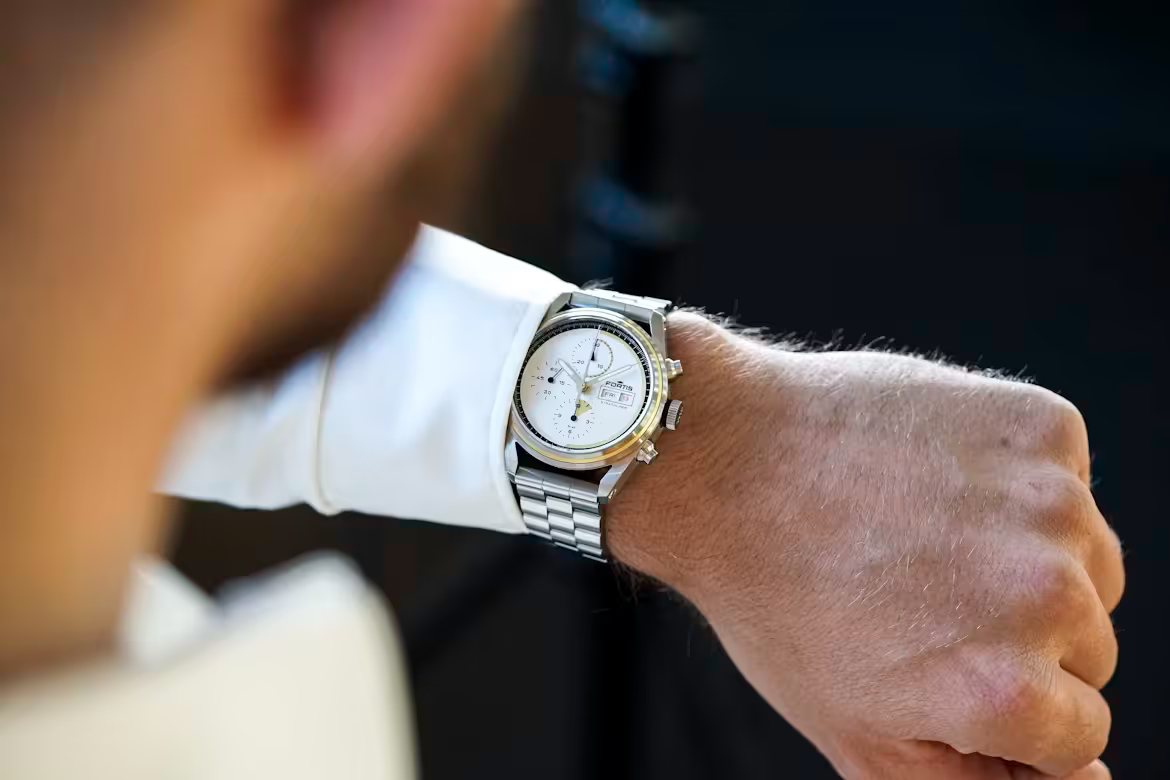
Preserving Limited-Edition Collectibles
Owning a limited-edition piece also means becoming its caretaker.
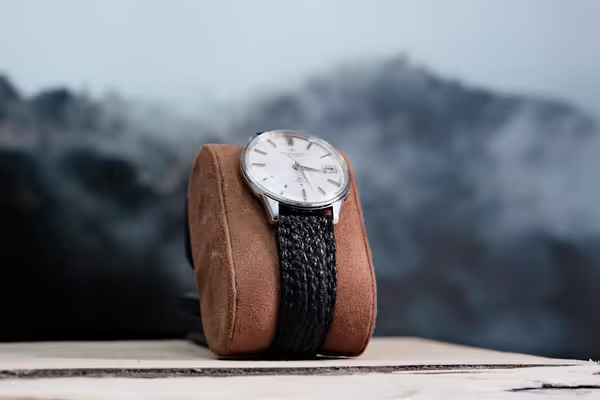
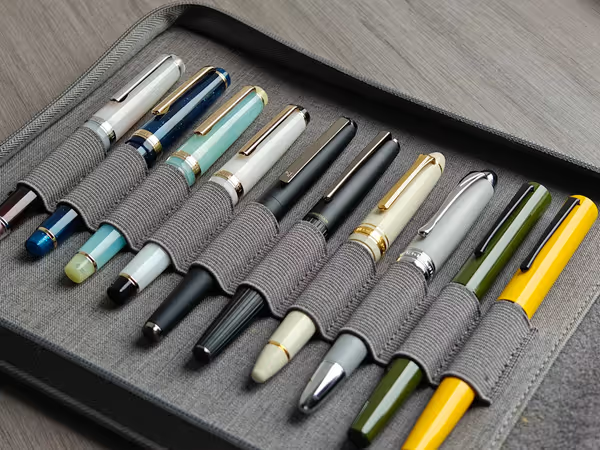
Thoughtful storage, routine maintenance, and careful handling help preserve both appearance and functionality. Mechanical watches benefit from regular servicing, while fine writing instruments and jewelry deserve environments that protect them from unnecessary wear, humidity, and direct sunlight.
Documentation should be preserved alongside the object itself.
Presentation boxes, certificates, warranty cards, and service records become increasingly valuable over time, helping maintain provenance and providing future owners with valuable historical context.
Proper preservation demonstrates respect for the craftsmanship invested in every limited-edition creation.
Lasting Value Beyond Exclusivity
While exclusivity often attracts initial interest, enduring appreciation comes from emotional connection.
A limited-edition watch commemorating an important milestone, a handcrafted fountain pen celebrating traditional craftsmanship, or a bespoke piece of jewelry marking a family occasion gradually becomes associated with personal memories rather than production numbers.
This emotional significance cannot be manufactured.
It develops naturally through ownership and transforms exceptional objects into treasured heirlooms.
Collectors frequently discover that the most meaningful pieces in their collections are not necessarily the rarest, but those connected to memorable experiences and lasting stories.
When craftsmanship, heritage, and personal meaning come together, rarity acquires a far deeper significance.
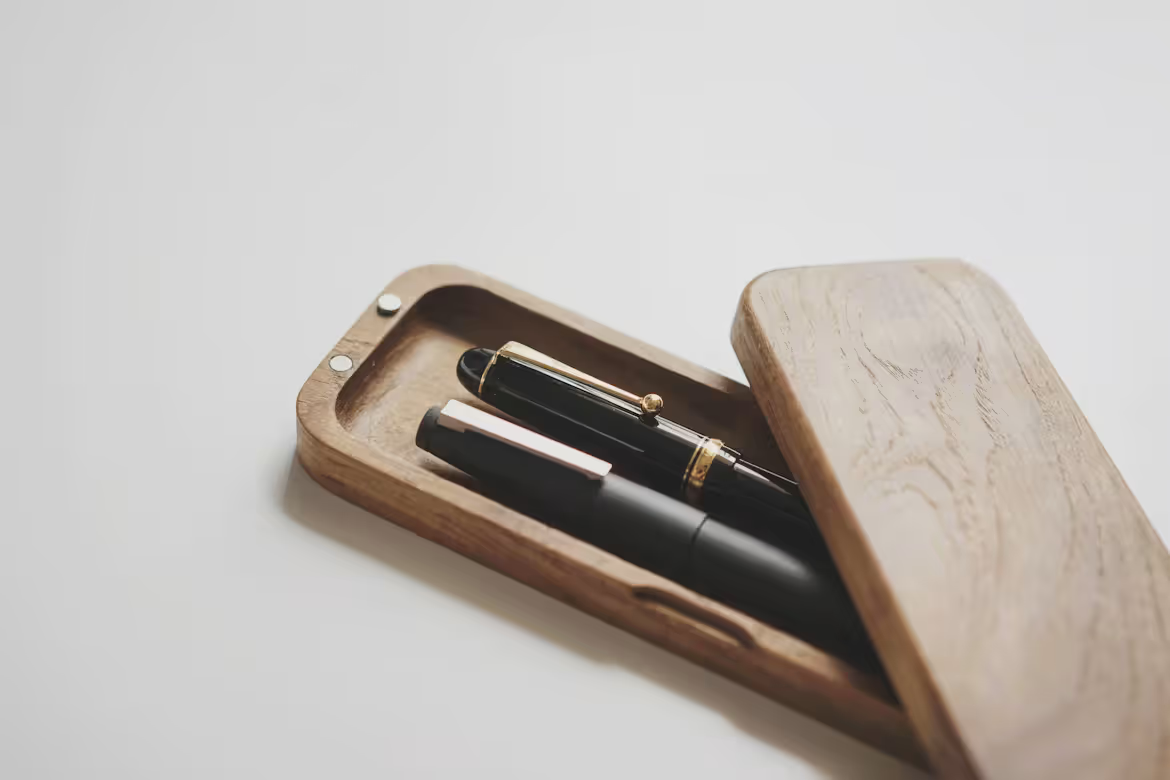
"True rarity is not defined by how few objects exist, but by the craftsmanship, heritage, and stories that make each one impossible to replace."
Final Thoughts
Limited editions continue to captivate collectors because they combine exceptional craftsmanship with meaningful stories. While restricted production creates exclusivity, lasting admiration depends on far more than numbers alone. Design integrity, heritage, originality, and careful preservation all contribute to an object's enduring appeal.
Thoughtful collectors look beyond certificates and edition sizes to understand why a piece was created and how it reflects the values of its maker. This deeper appreciation transforms collecting from a pursuit of scarcity into a celebration of craftsmanship and history.
Over time, the most treasured limited editions become more than collectible objects. They accompany important milestones, preserve family memories, and represent chapters in the continuing story of exceptional design.
Ultimately, the finest limited editions are remembered not because they were difficult to acquire, but because they remain meaningful long after their release.

Victoria Ashworth
Auctions & Collector Stories Editor covering prestigious auctions, notable private collections, and the histories behind exceptional watches, jewelry, and rare collectibles. Victoria explores provenance and collecting culture.


Comments